- Home
- About Us
- Our Work
- Livelihoods
- Knowledge Hub
- Gallery
- Internship Program
- Contact
Healthcare & Psychosocial Support
Addressing the complex trauma of displacement and providing essential medical care to marginalized migrant communities.
Supported by Children's Hope India (CHI)
Pakistani Hindu migrant children face unique, compounded challenges. Many endure traumatic experiences—displacement, violence, and separation from loved ones—which significantly elevate their risk for developing mental health disorders. The added complexities of acculturation, language barriers, and limited access to resources further exacerbate their vulnerability.
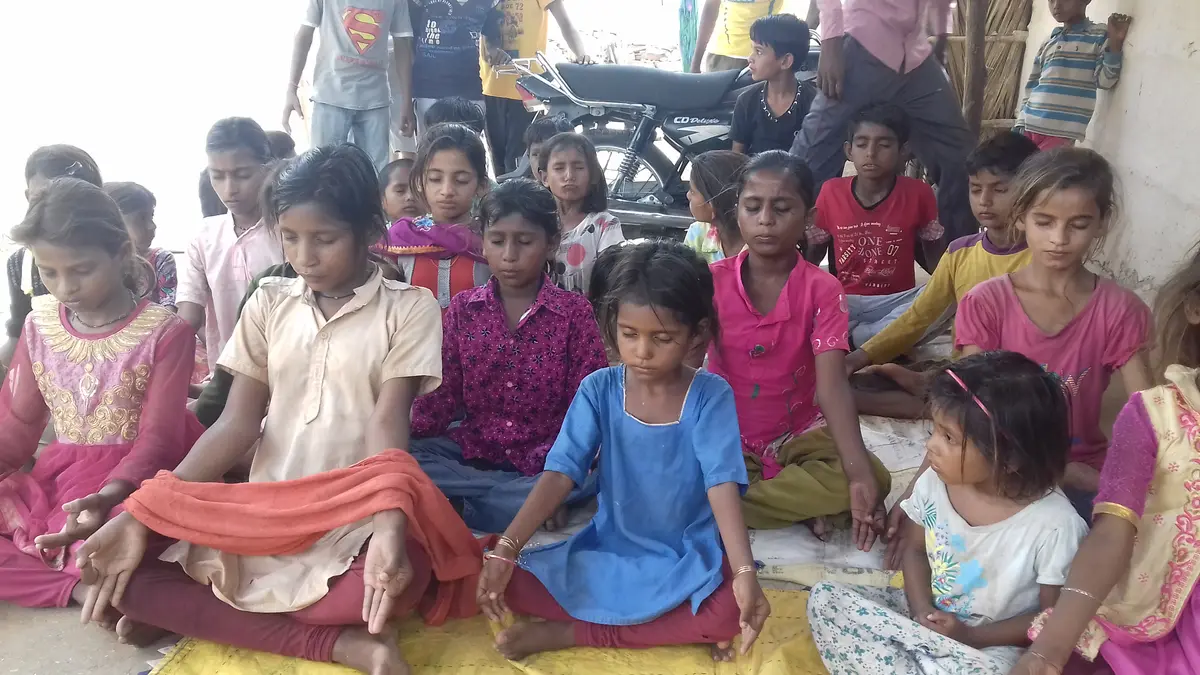
In partnership with Children's Hope India (CHI), UJAS has developed a holistic, multi-pronged mental health intervention targeting children and adolescents aged 6–21 across 6 designated refugee settlements. Our program recognizes the complex interplay between physical health, socio-economic stress, and cultural stigma—addressing the root causes of distress rather than solely treating symptoms.
Aarav's Breakthrough (Name Changed): Aarav was extremely quiet and avoided eye contact. Through the "Color Your Feelings" art activity and cooperative games, he slowly began participating. A breakthrough during an emotion-based role-play opened the door to trust. Today, he laughs freely and encourages quieter children to join in.
Supported by Hindu American Foundation (HAF)
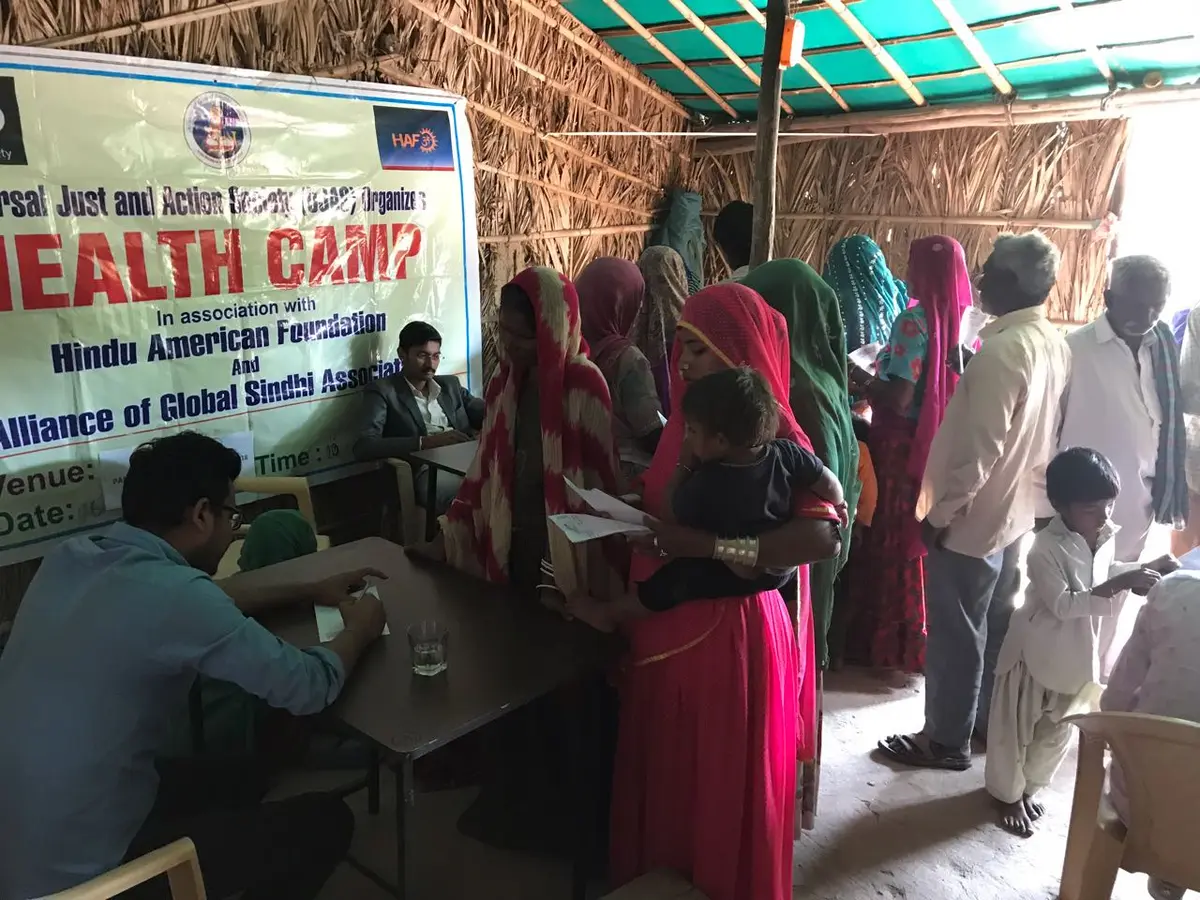
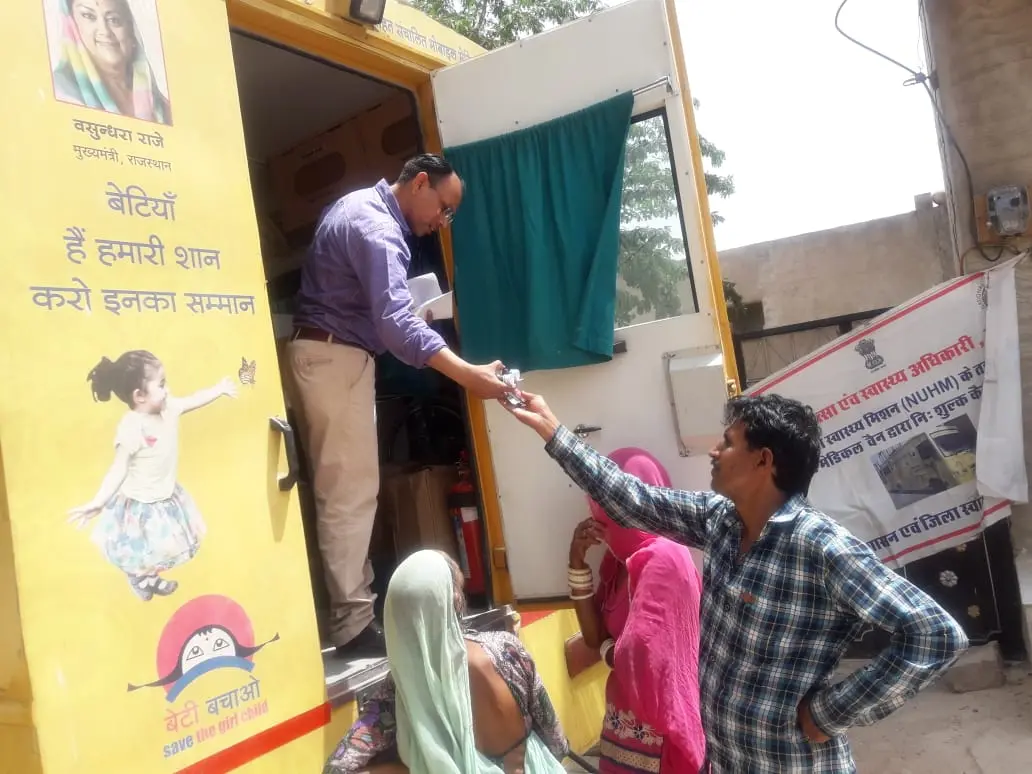
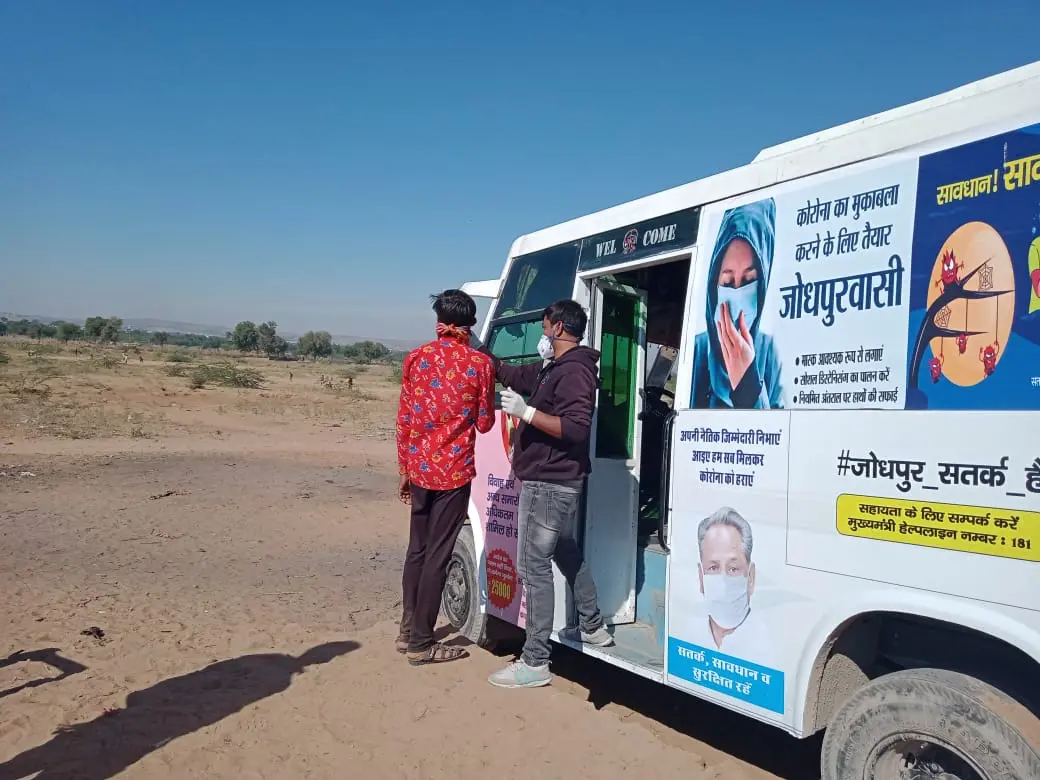
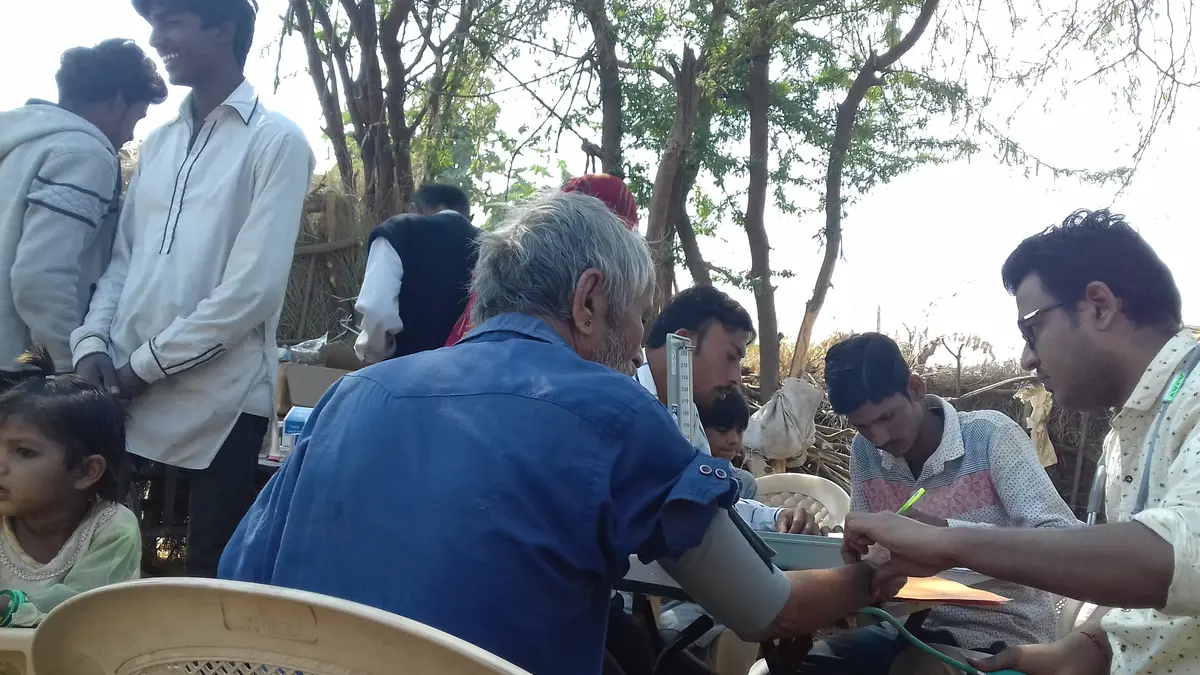
In migrant settlements, access to basic healthcare is often a luxury. Language barriers, lack of documentation, and the sheer distance to government hospitals leave many families suffering from preventable illnesses.
Supported by the Hindu American Foundation (HAF), UJAS operates the Dhaat Health Initiative to bring critical medical care directly to the settlements. We established a healthcare helpline and conduct regular health camps offering check-ups, diagnostics, and free medication to thousands of refugees who would otherwise go untreated.
Beyond immediate relief, the initiative tackles severe long-term health issues—including addressing 'Dhaat syndrome', vaccinating against Hepatitis-C & Polio, and treating other physical manifestations of acute stress and nutritional deficiency prevalent in these camps.
"The pervasive stigma associated with mental illness in many communities poses a significant barrier to help-seeking behavior. Our work focuses heavily on challenging misconceptions and promoting help-seeking as a profound sign of strength."
Support Healthcare →