
- Home
- About Us
- Our Work
- Livelihoods
- Knowledge Hub
- Gallery
- Internship Program
- Contact
Empowerment Through Craft
Livelihoods for Women — Where tradition meets dignity. Empowering survivors through the art of Rajasthan.
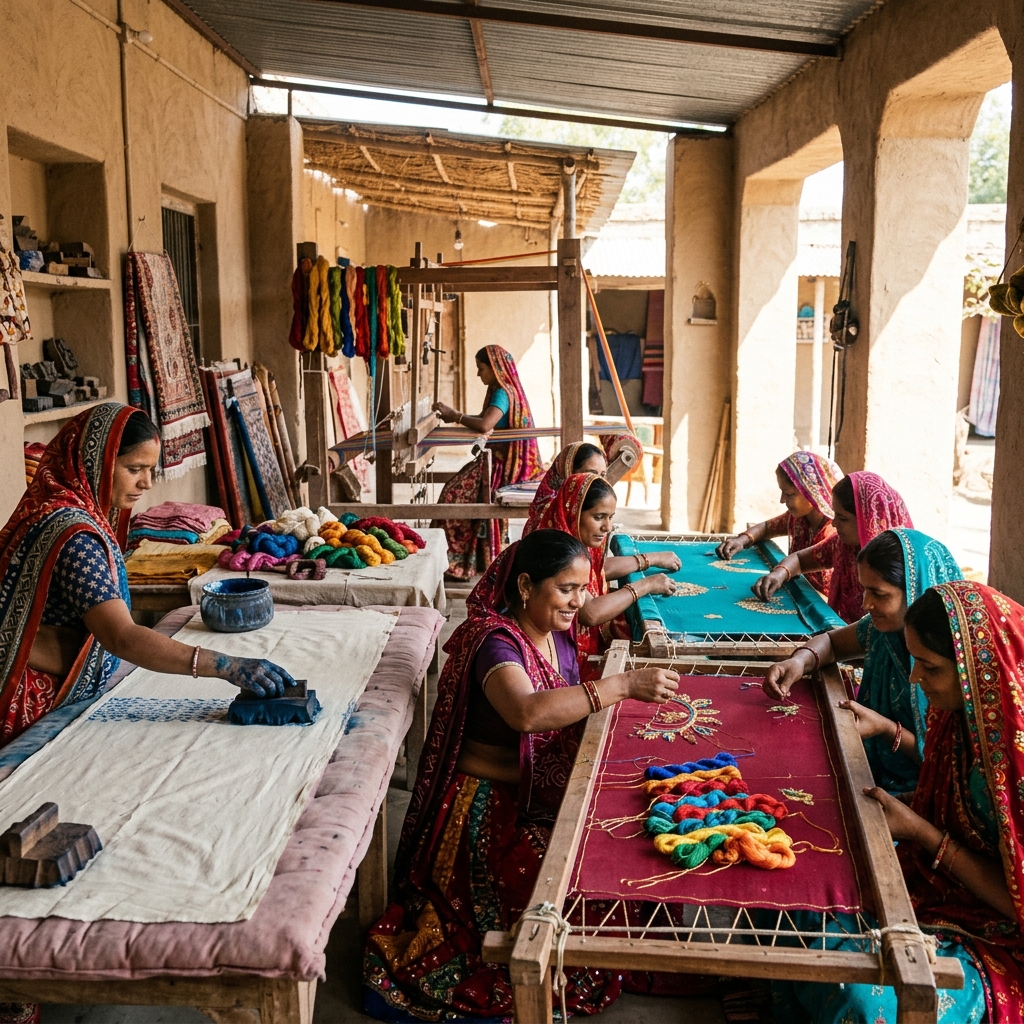
"Every saree woven, every dupatta dyed, every pot thrown — is an act of reclaiming freedom. The UJAS Crafts Center does not just teach skills. It restores dignity, voice, and economic independence to women who were once rendered invisible."
— SLS UJAS, Jodhpur
The UJAS Crafts Centre was established as a direct response to the needs of Pakistani women migrants arriving in Jodhpur with no income, no documents and no established community networks. Funded by the District Industrial Center (DIC), Rajasthan State Government, and with additional support from partner organisations, the centre provides skills, income and solidarity.
Today, the Crafts Centre stands as a sanctuary of skill and solidarity — a workspace, a classroom, a community. Pakistani women migrants, widows, Dalit and tribal women, and those fleeing domestic violence are all welcome here, with zero fees and full material support.
The center does not simply teach handicrafts — it builds entire livelihoods. Trainees receive artisan identity cards, help opening bank accounts, access to microfinance, and connections to fair trade markets both within India and internationally.
"When I came here, I could not even sign my name. Now my Bandhani dupattas sell in Jaipur and Delhi. My children go to school. I am free."
— Sunita Devi, participant since 2019
All courses provided at zero cost to participants, with daily nutritious meals during workshops.
UJAS supplies all raw materials — fabric, dyes, looms, potter's wheels — entirely donor-funded.
Direct partnerships with fair trade platforms, craft fairs, exporters, and government emporiums.
100% of product sale revenue goes directly to the artisan who created it. No middlemen.
Graduates receive government-recognised artisan certificates to access state welfare schemes.
Embedded sessions on banking, savings, government entitlements, and credit access.
Each discipline is rooted in centuries of Rajasthani heritage — and each one has a vibrant market in modern India and beyond.
One of Rajasthan's most iconic crafts — hand-carved wooden stamps create intricate geometric and floral patterns on cotton and silk. Women learn pattern composition, dye mixing, and precision stamping.
The shimmering art of Gota Patti involves appliquéing gold and silver ribbons onto fabric to create breathtaking bridal and festive wear. A hallmark of Jodhpur's craft heritage with international recognition.
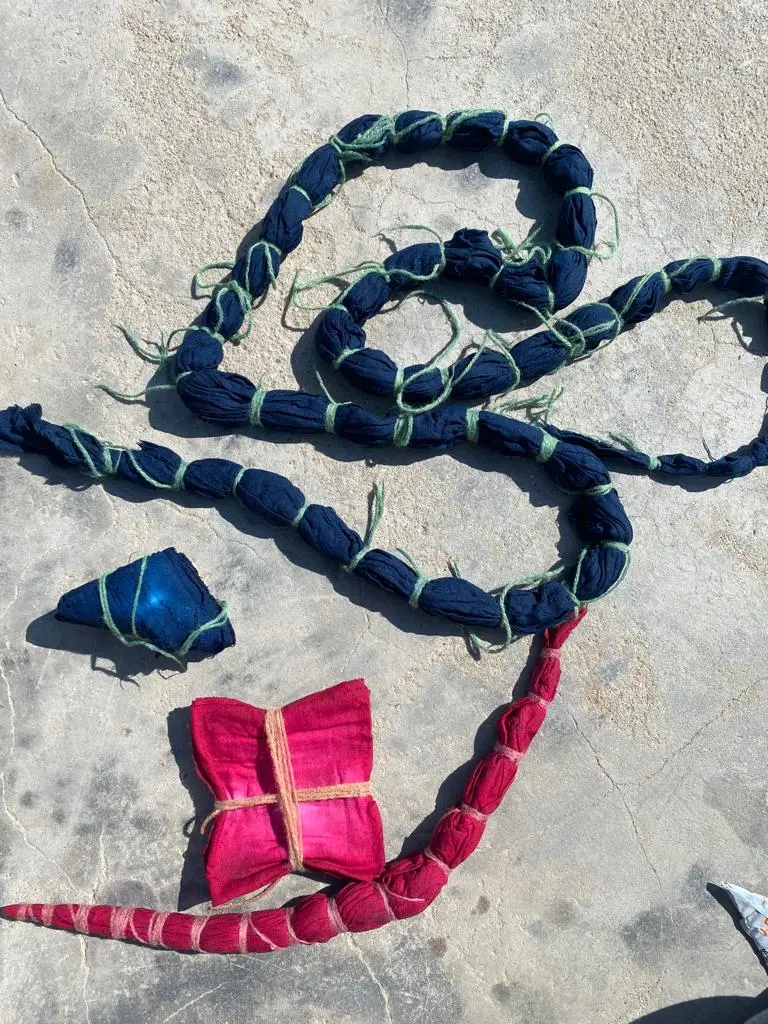
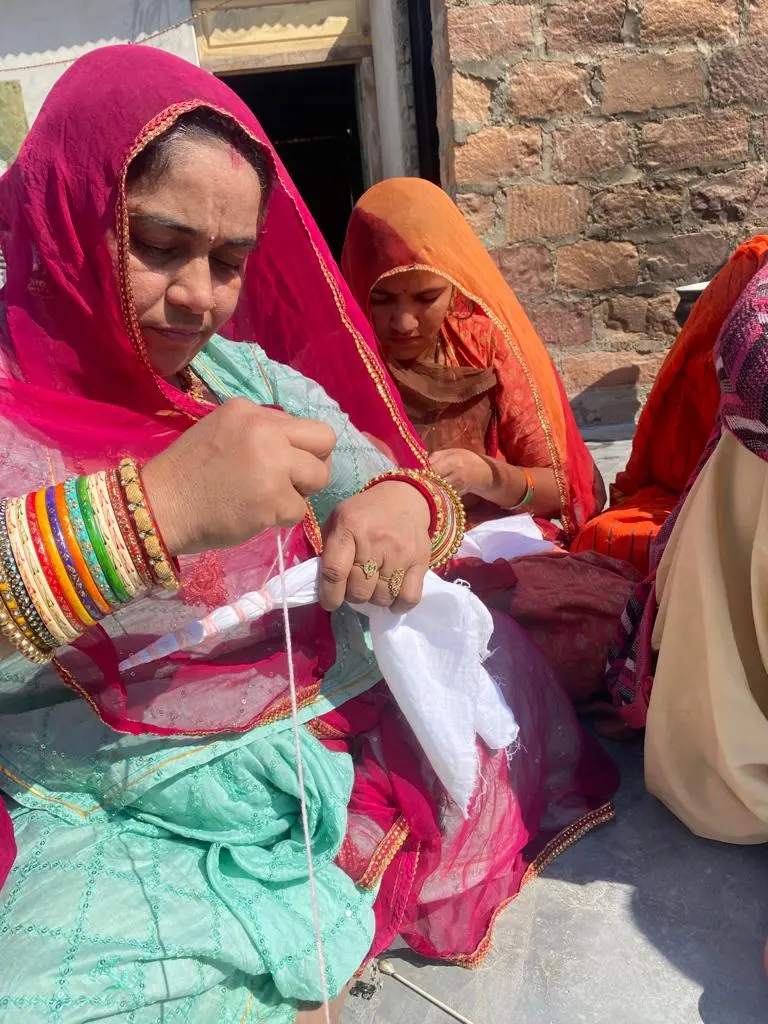
Bandhani is the ancient art of resist-dyeing — tiny portions of fabric are pinched and tied before dipping in vibrant dyes, creating extraordinary dotted and floral patterns unique to Jodhpur.
The center's handloom unit produces fine cotton and silk sarees using traditional pit looms. Women learn warping, threading, weaving, and finishing — a full-cycle skill with steady, repeat income.
Using locally sourced terracotta clay, women learn the full pottery cycle — hand-throwing, shaping, drying, firing, and decorating with Rajasthani blue pottery motifs loved by urban buyers.
In partnership with Ishwar Seva Foundation (ISF) and Abeey Yaar Design Atelier, artisans transform local palm leaves into sustainable home decor with professional design training.
Sponsoring a woman's training costs as little as ₹2,000. Each contribution covers materials, workspace, and her first month of stipend.
Support a Woman Artisan View Crafts ItemsSupported by District Industrial Center (DIC), Govt. of Rajasthan
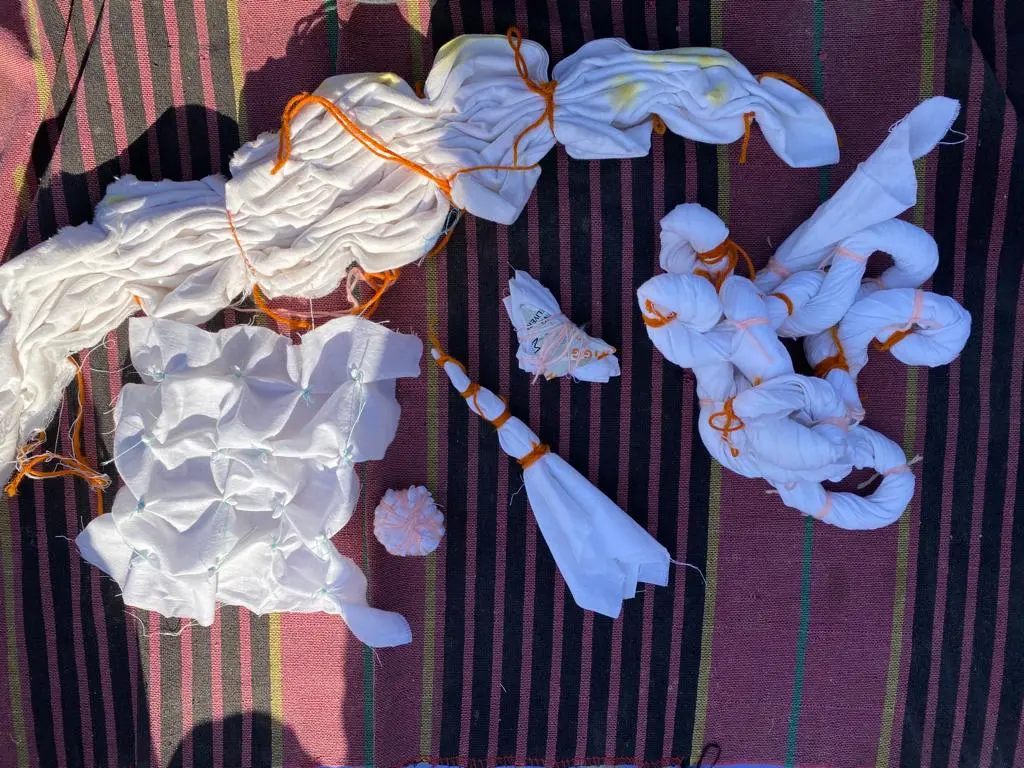
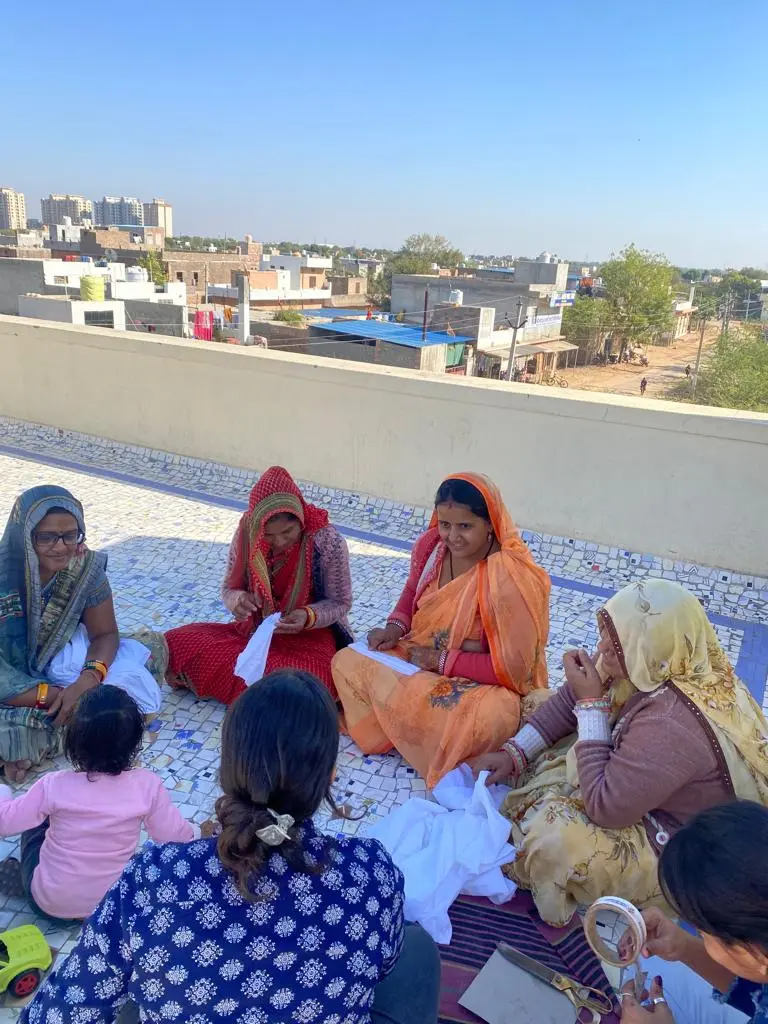
When Pakistani women migrants arrive in Rajasthan, they often lack formal education, recognizable skills, and social networks, making them highly vulnerable to economic exploitation and extreme poverty.
Supported by the District Industrial Center (DIC) and Women Serve, we launched a transformative artisan cluster focusing on traditional textiles in settlements like 'Kaan Singh ki Sid' and 'Ghantiyali'. The program provides raw materials, training for design development, and direct international market linkages to empower women and ensure self-sustenance.
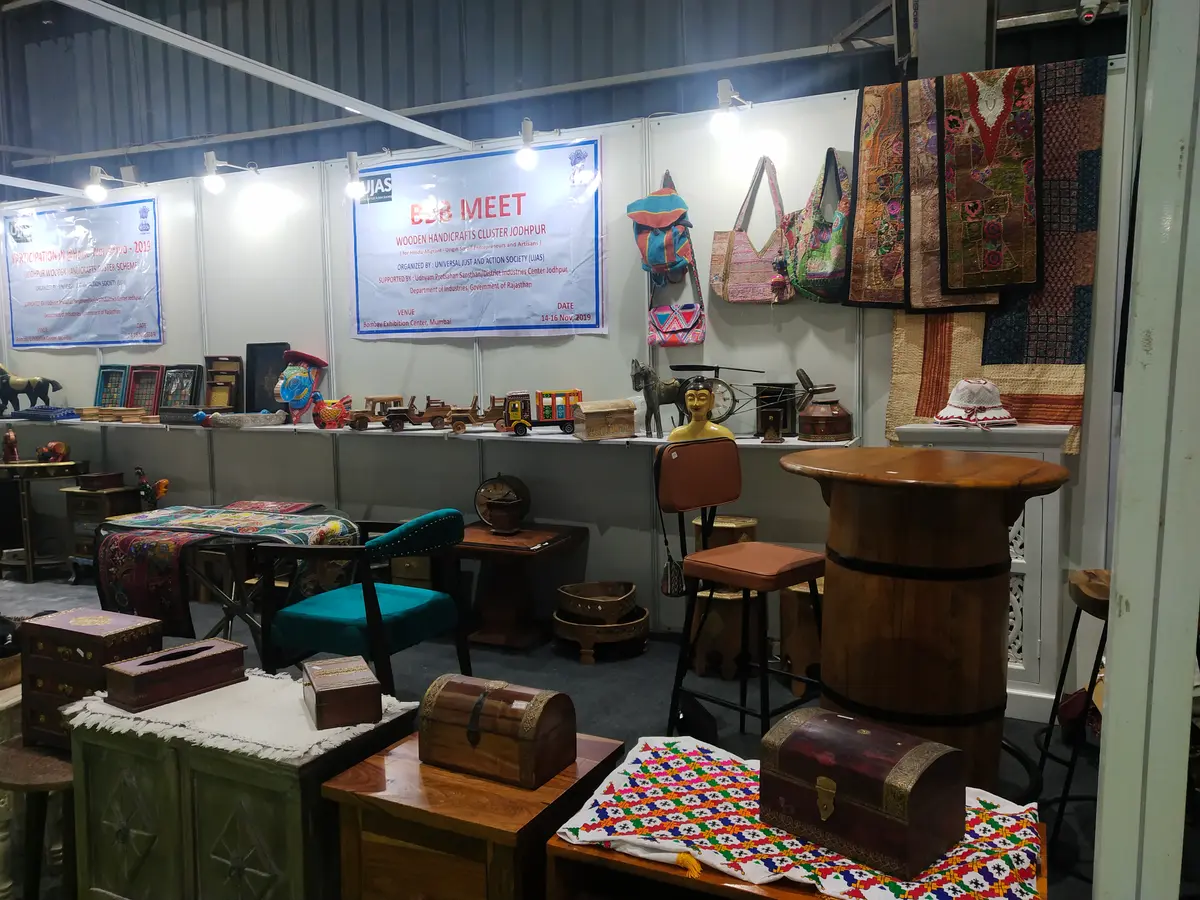
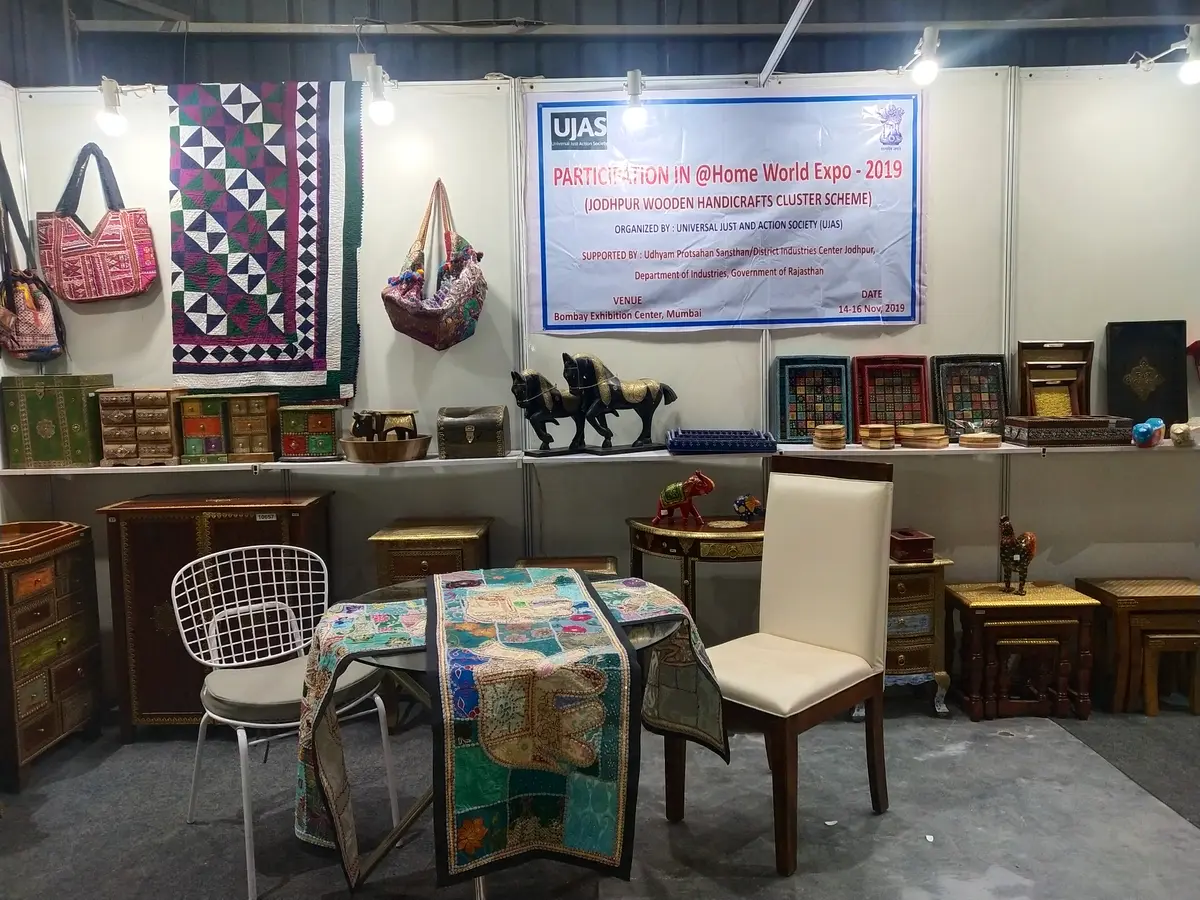
A major milestone was our artisans' participation in the prestigious Paschimi Rajasthan Udyog Hastshilp Utsav 2023. This massive trade fair provided unprecedented direct-to-consumer exposure. Our master artisans—Kamna, Kusumlata, Laxmi, Pushpa, and Manjulata—proudly represented the cluster, demonstrating their exquisite craftsmanship live to thousands of visitors and securing bulk orders that guarantee months of stable income.
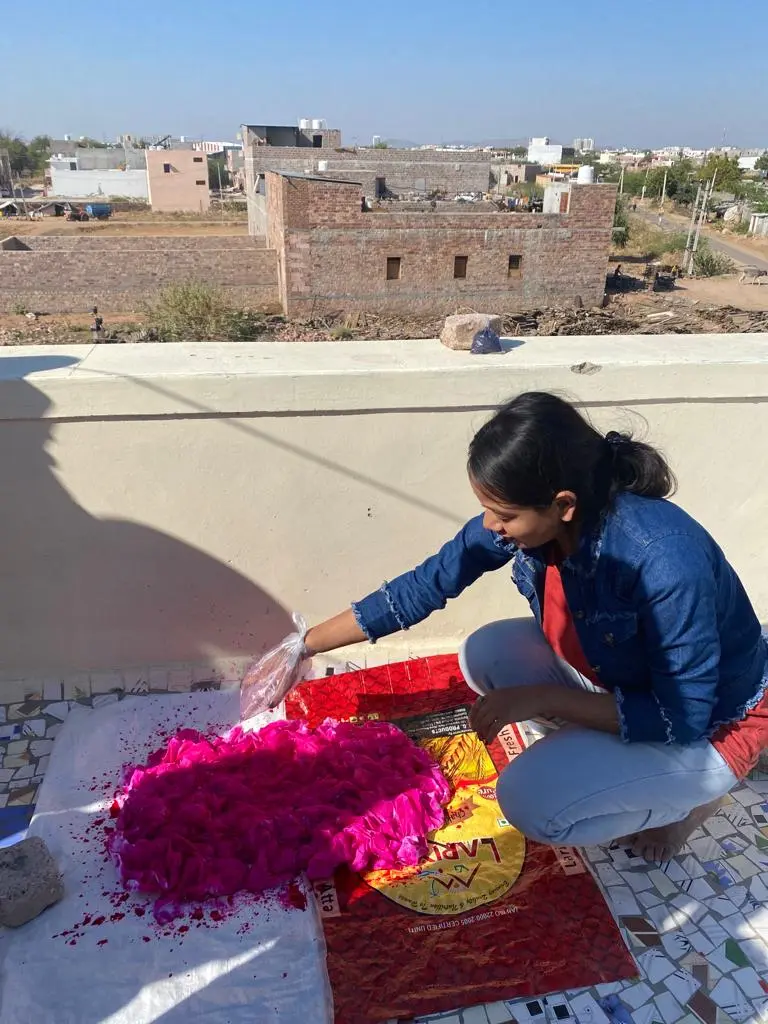
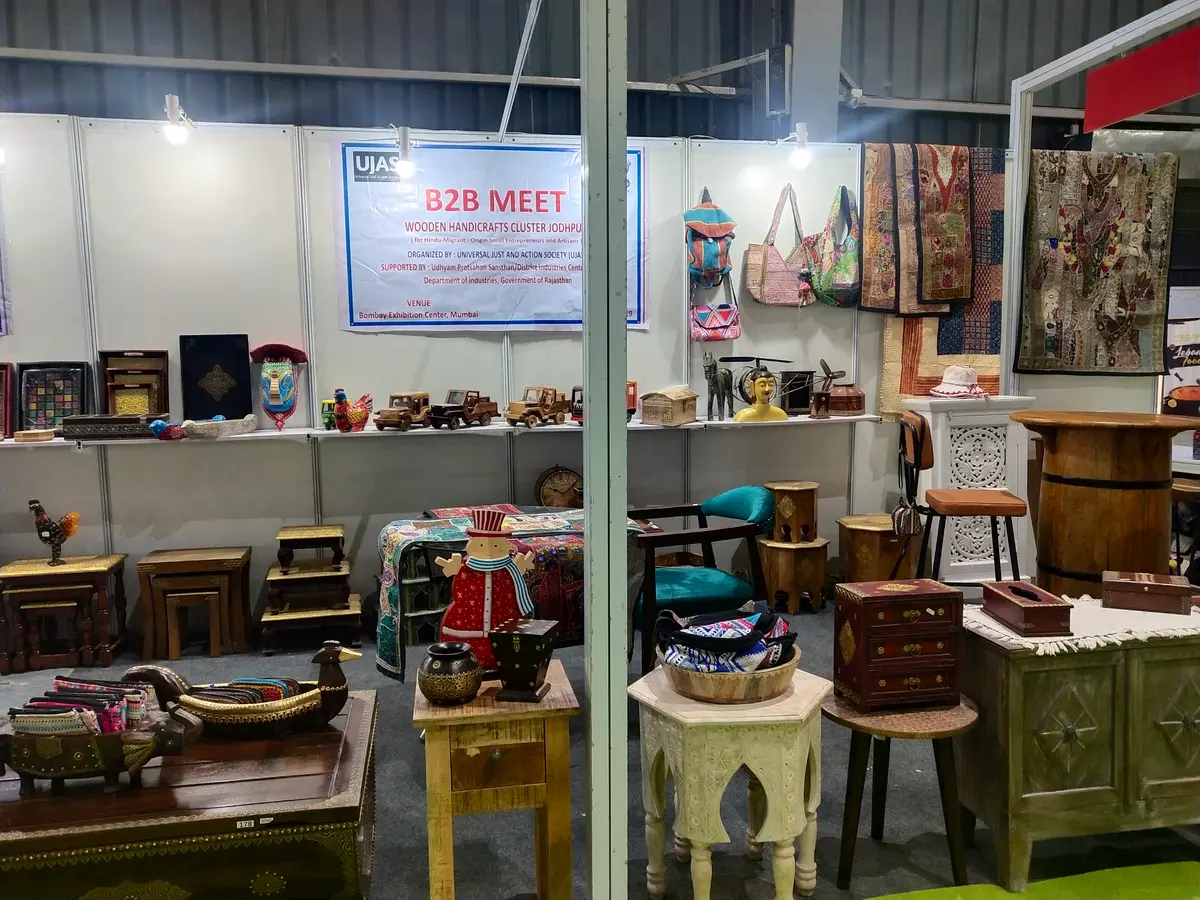
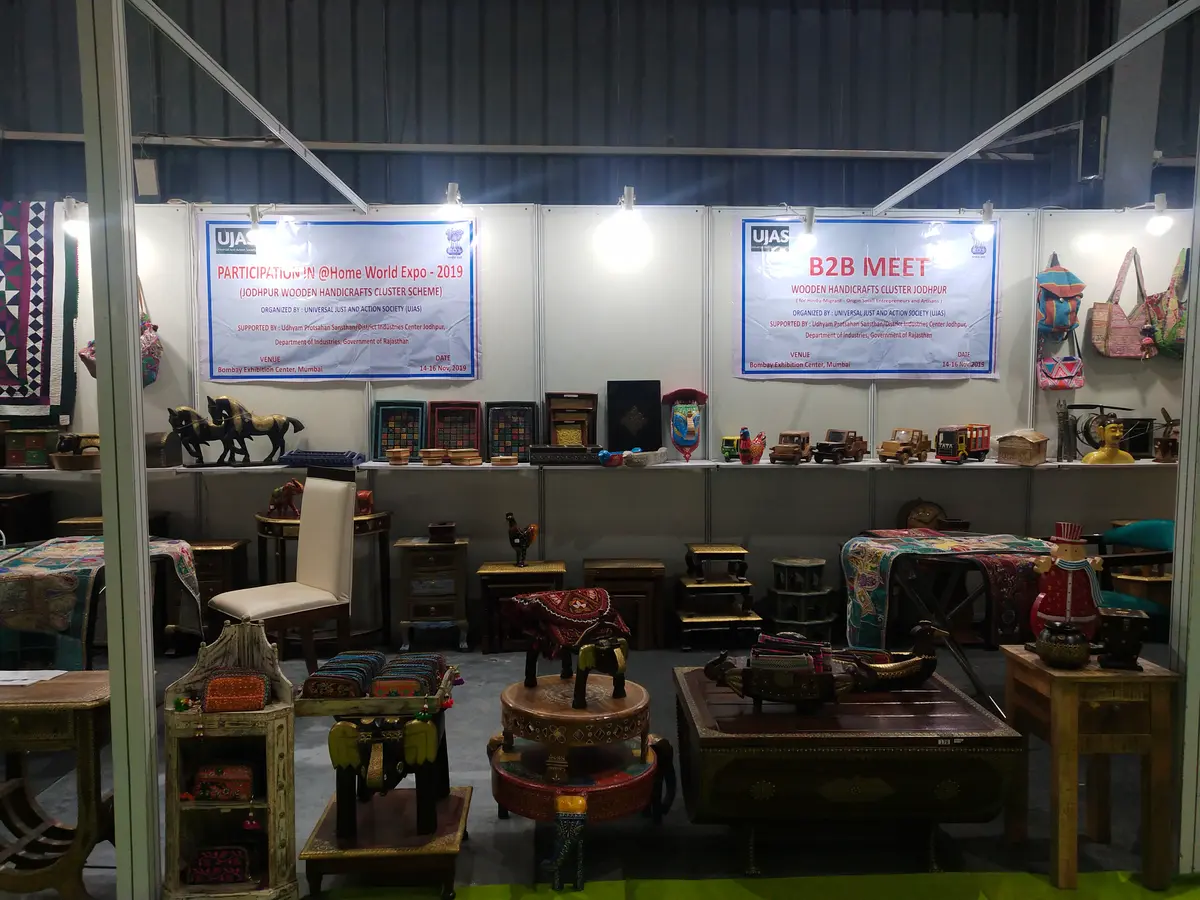
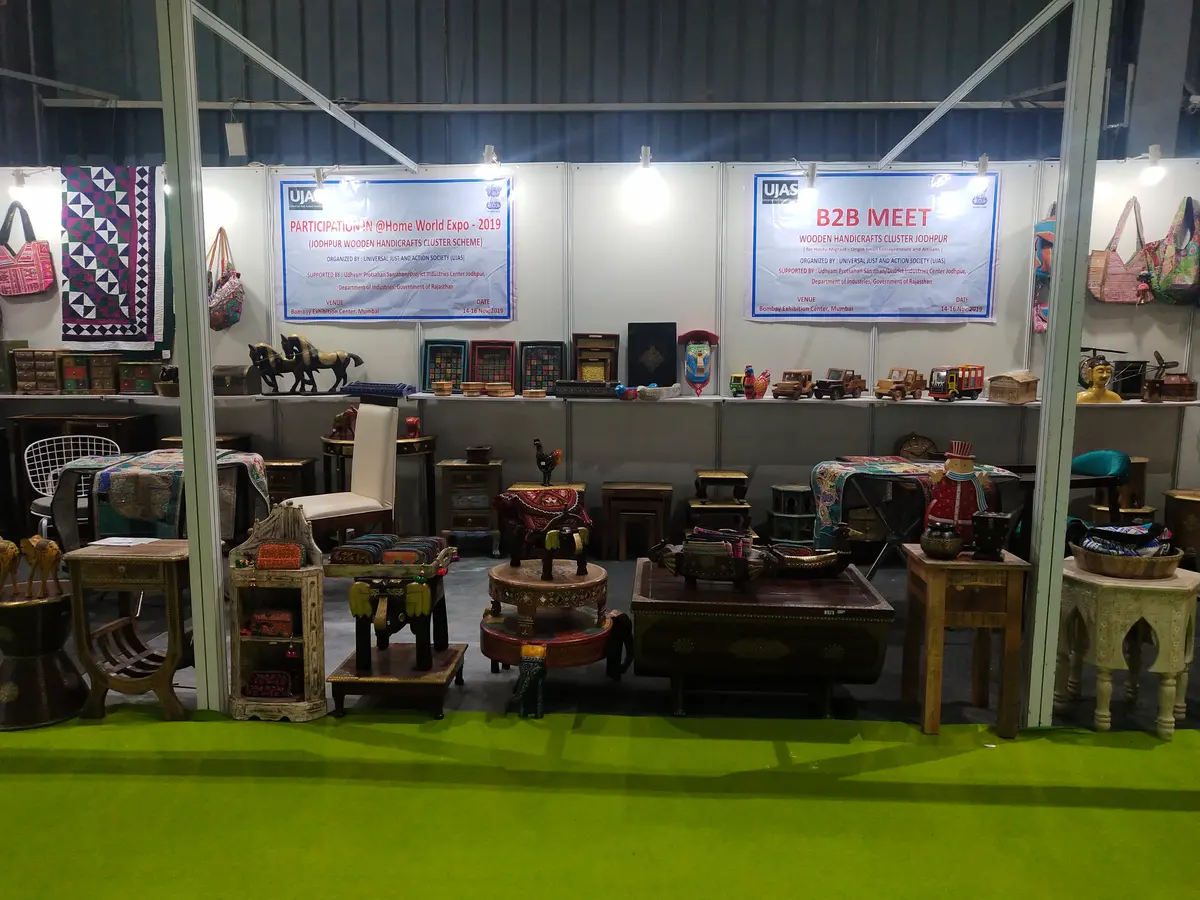
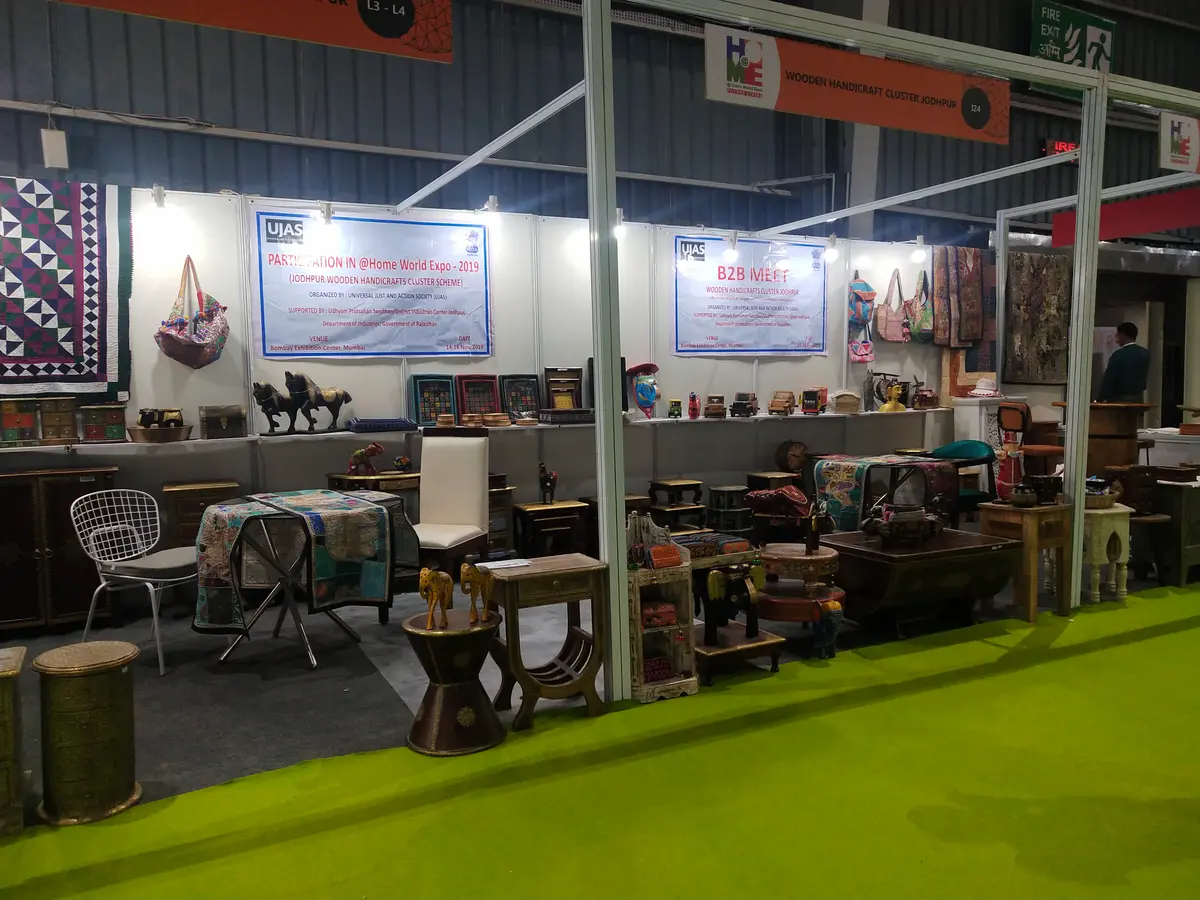
Supported by Ishwar Seva Foundation (ISF) & Abeey Yaar Design
Traditional palm leaf weaving is an eco-friendly local skill, but without modern design sensibilities and market access, artisans struggle to earn a living wage selling basic utility items in saturated local markets.
Through our collaboration with Ishwar Seva Foundation (ISF) and Abeey Yaar Design Atelier, we conducted a thorough baseline study of the environment and raw materials. We developed a robust skill training module resulting in 8 innovative new samples.
This turns traditional palm weaving into a highly profitable, sustainable enterprise focused on premium home decor, connecting artisans directly to a network of domestic and international clients via an app marketplace.
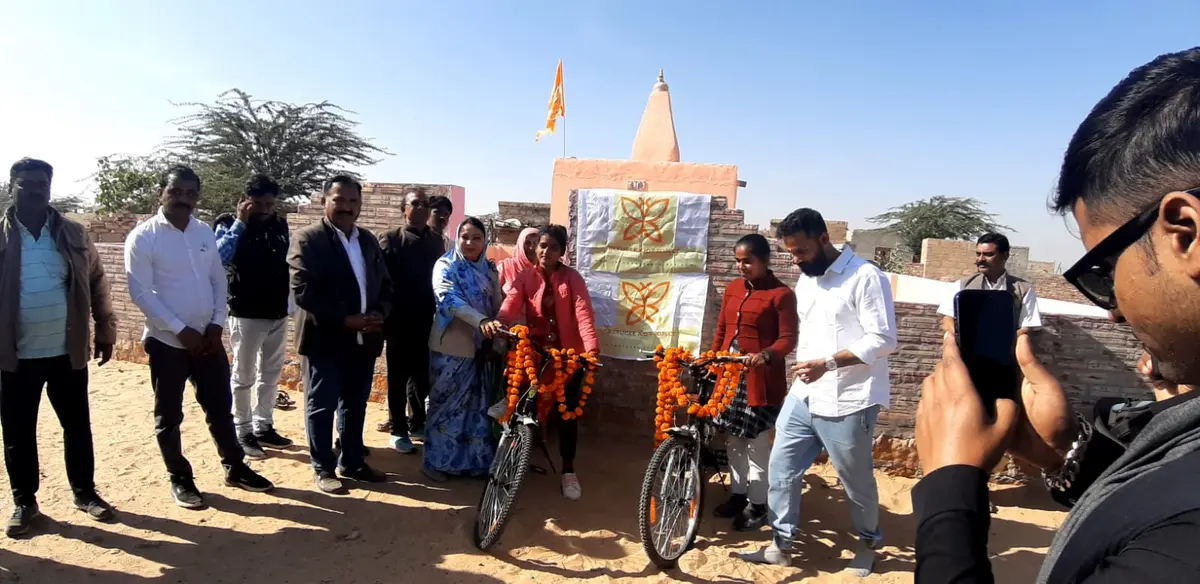
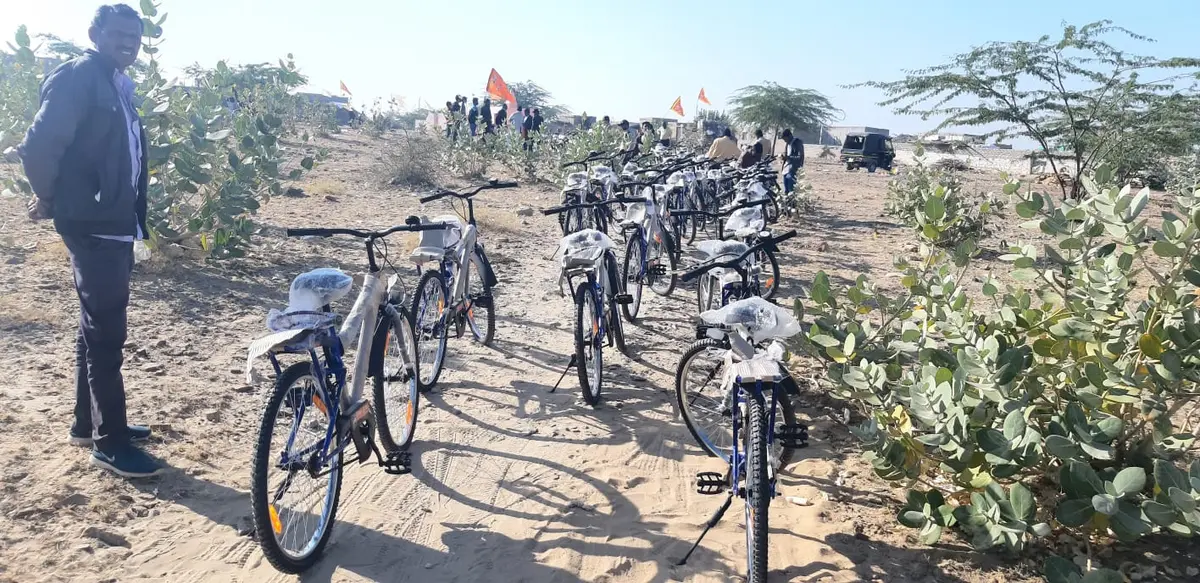
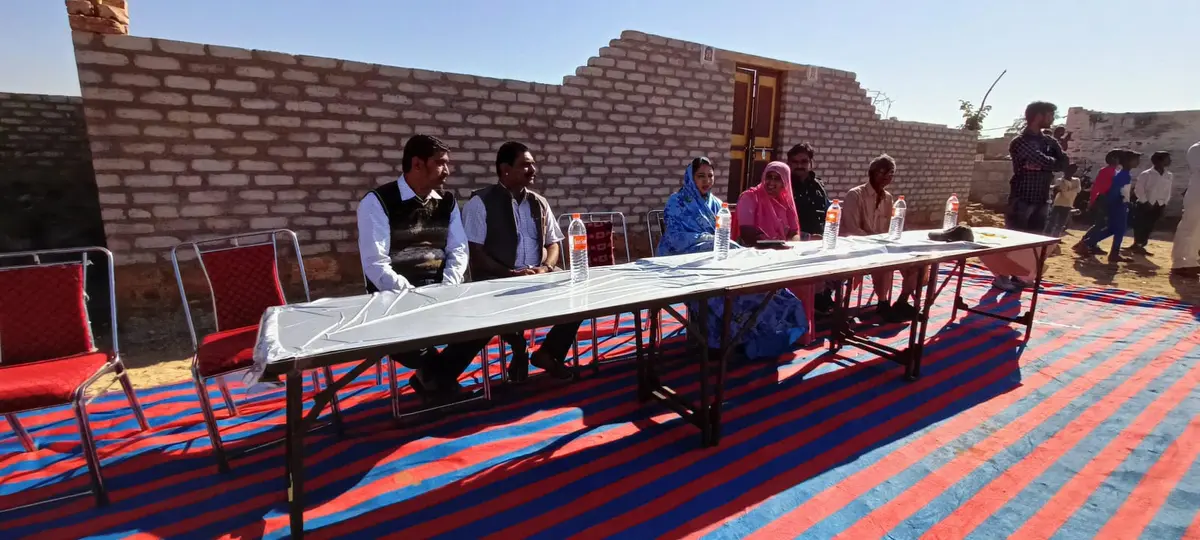
A structured, three-stage pathway from vulnerability to independence — designed with dignity at every step.
Our field teams — many of them former participants themselves — identify women in need through UJAS's network of community self-help groups, panchayats, and partner NGOs. There are no entrance requirements: only a desire to learn.
New participants receive artisan kits, complete documentation for government schemes, and begin daily skill assessment sessions to identify their natural aptitude.
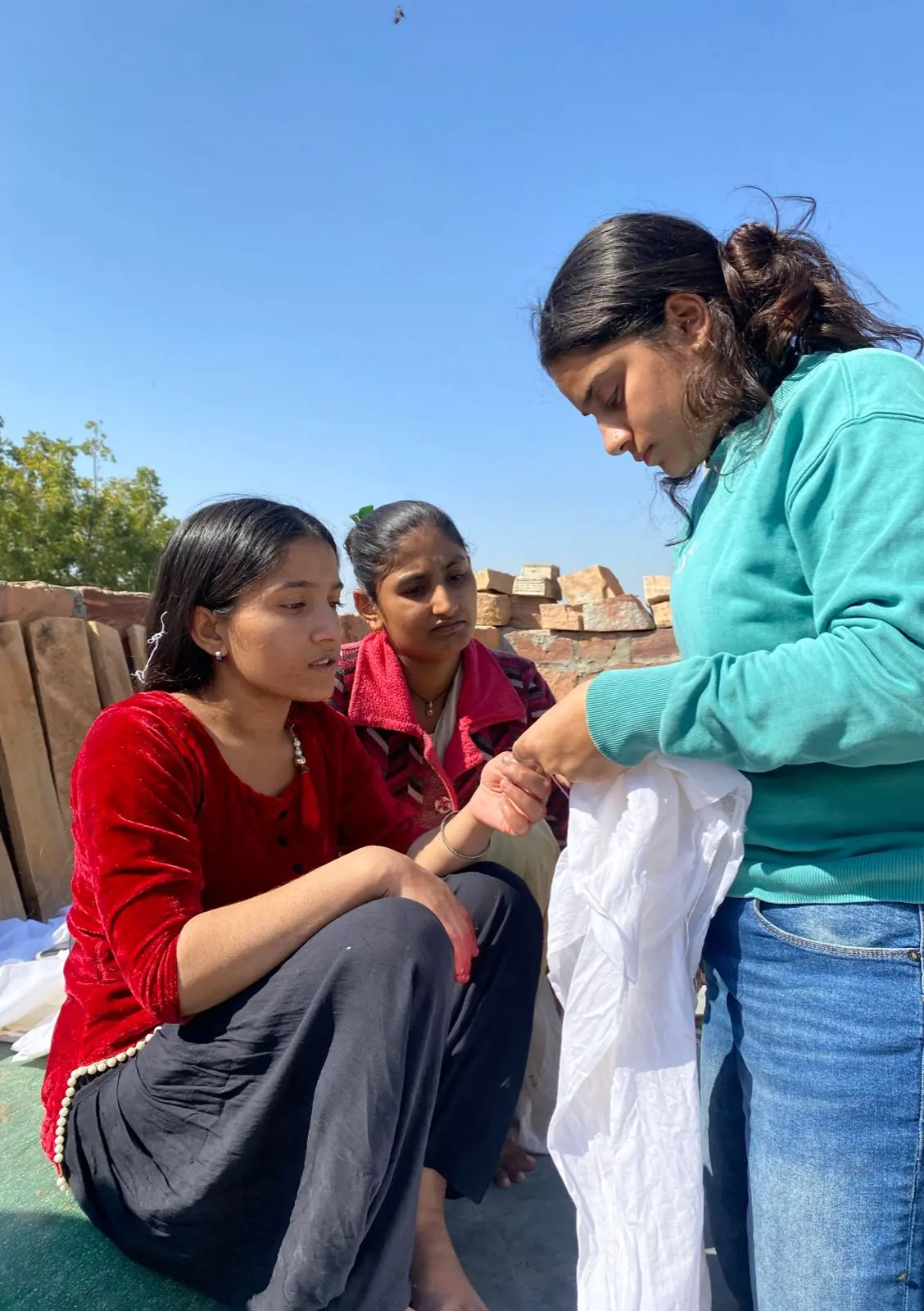
The core training programme lasts 3–6 months depending on the craft. Participants learn under master artisans — themselves graduates of the center — in small cohorts of 8–12 women. All sessions are held in the vernacular (Marwari/Hindi) with visual learning aids.
Alongside craft skills, the program weaves in life-skills modules: financial literacy, legal rights awareness, health and hygiene, and leadership. A dedicated counsellor is available on-site throughout.
Graduates are connected to UJAS's fair-trade buyer network, government craft emporiums (Rajasthali), craft fairs (Surajkund, Dastkar Delhi), and online platforms. UJAS provides quality certification, product photography, and packaging support.
Women may continue using the center's workspace and tools after graduation. A rolling micro-credit fund helps artisans buy their own raw materials as they grow. Alumni are encouraged to become master trainers — perpetuating a cycle of empowerment.
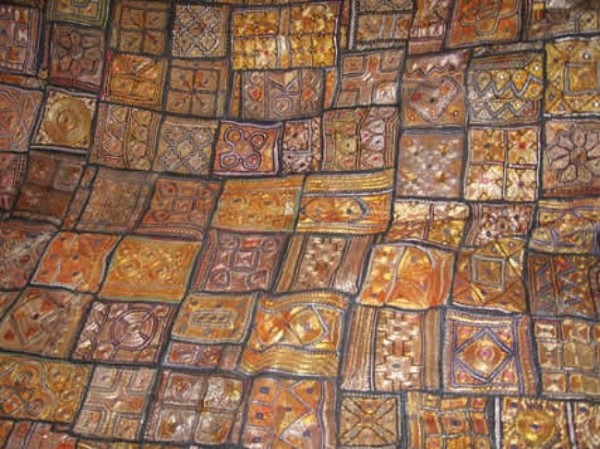
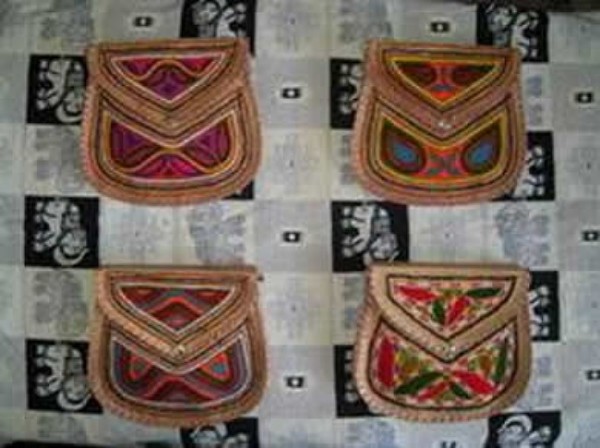
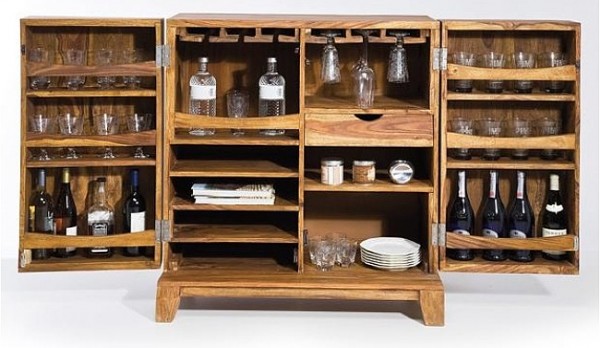
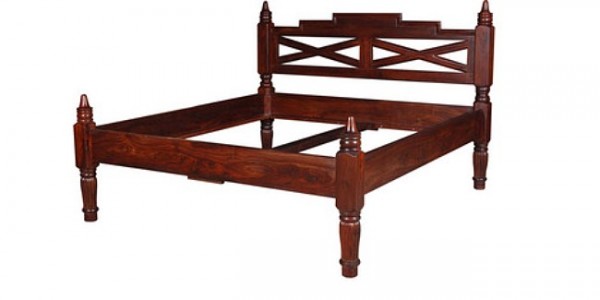
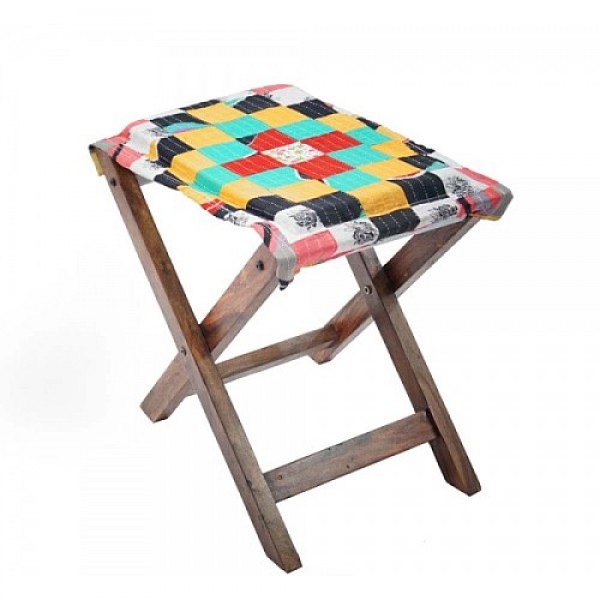
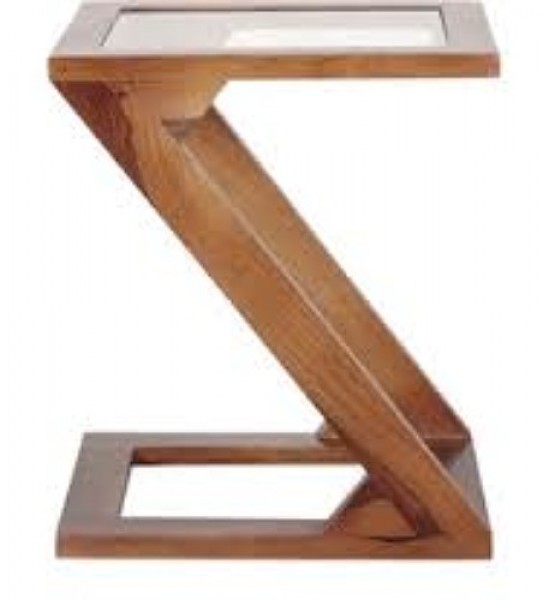
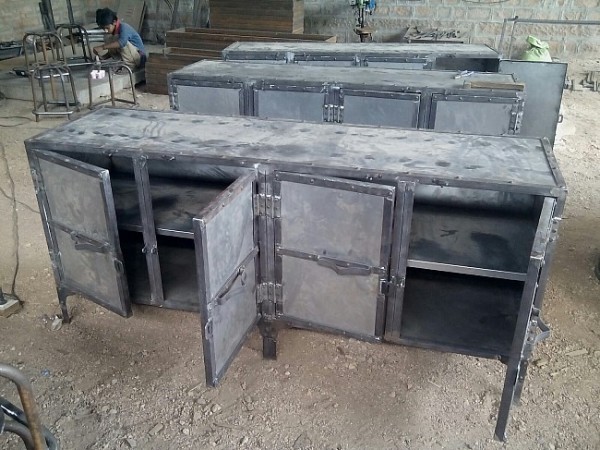
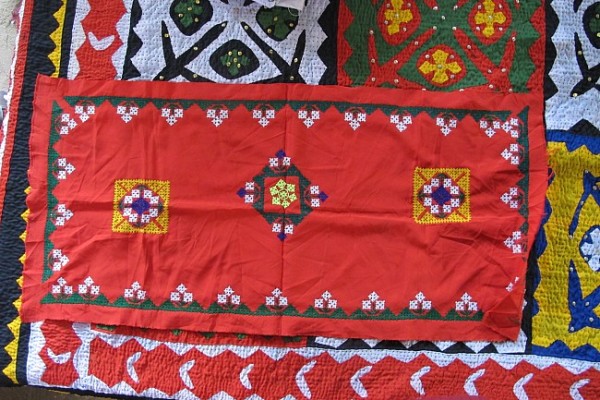
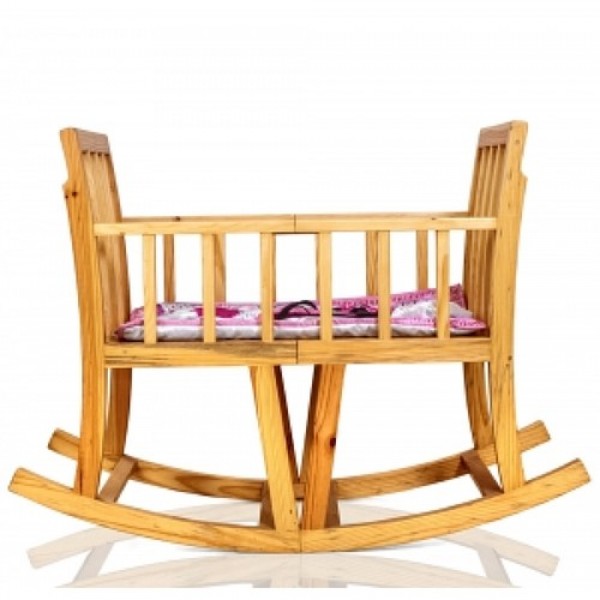
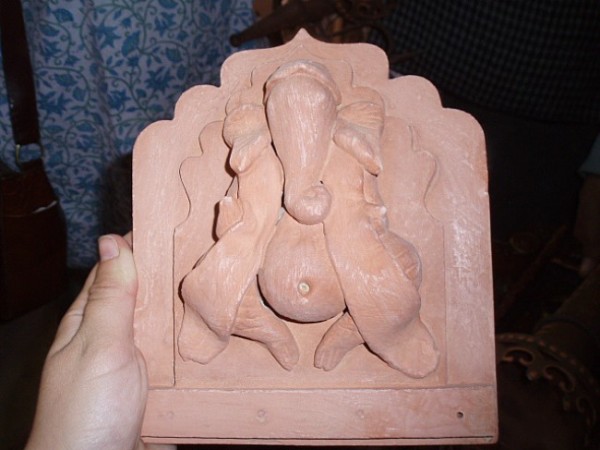
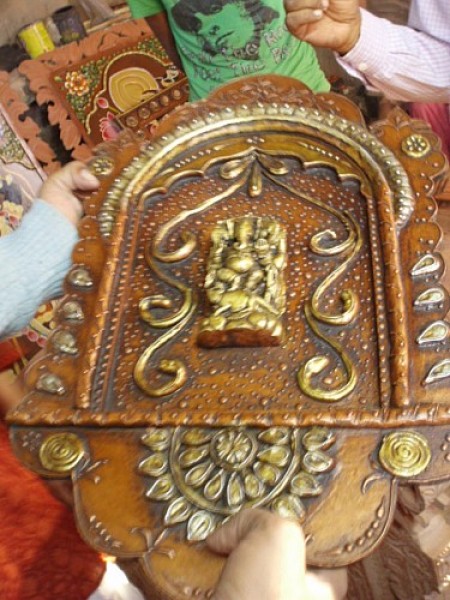
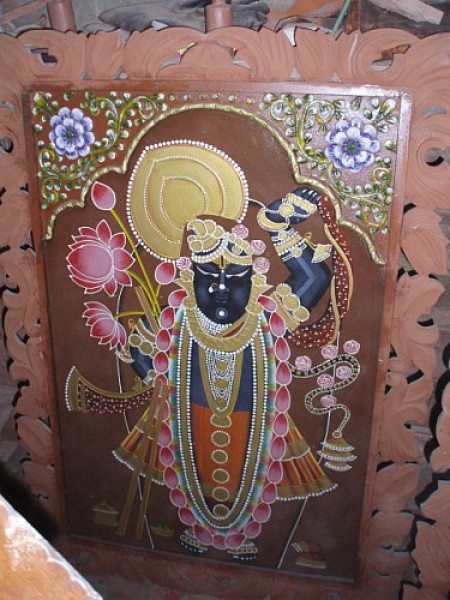
Every purchase directly supports the artisans and their families. Browse our catalog and order directly via WhatsApp.
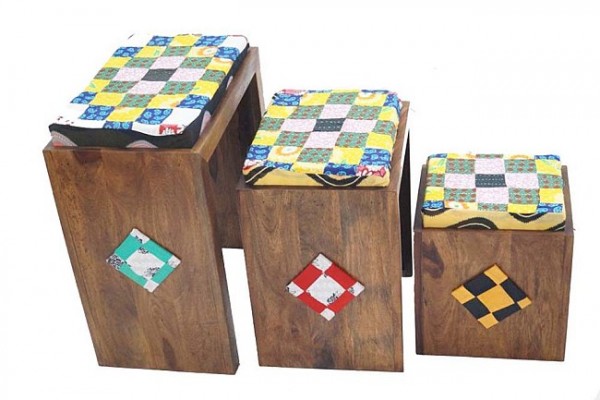
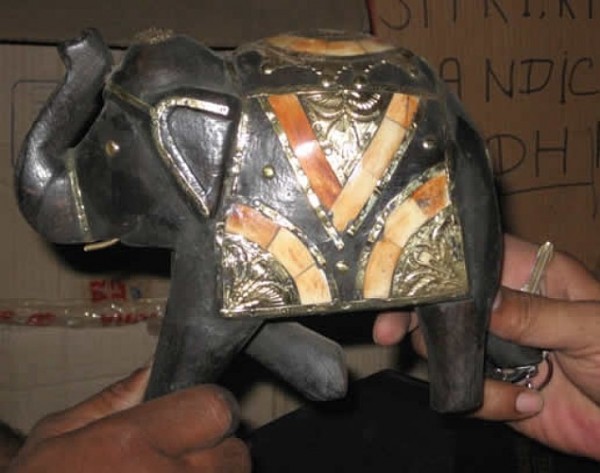
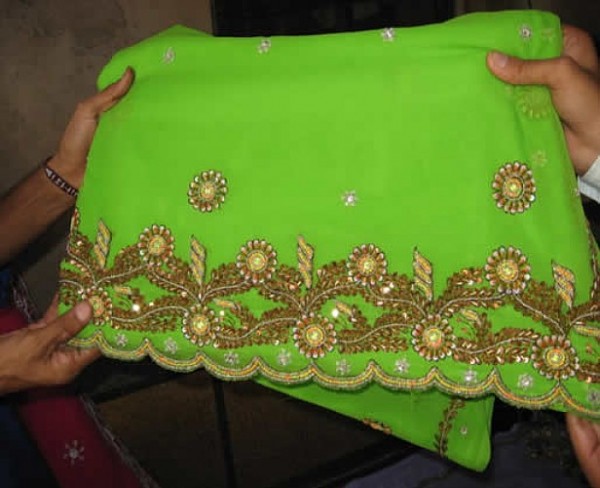
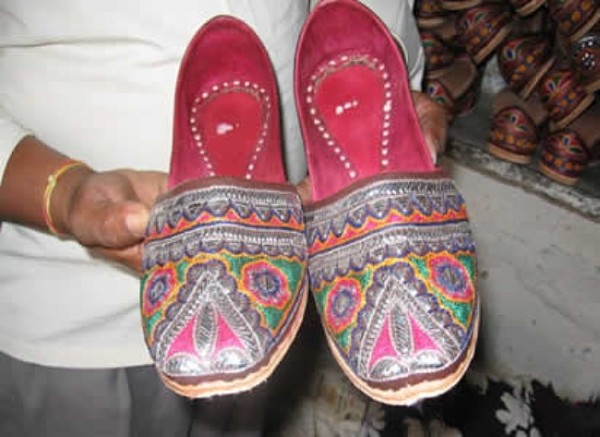


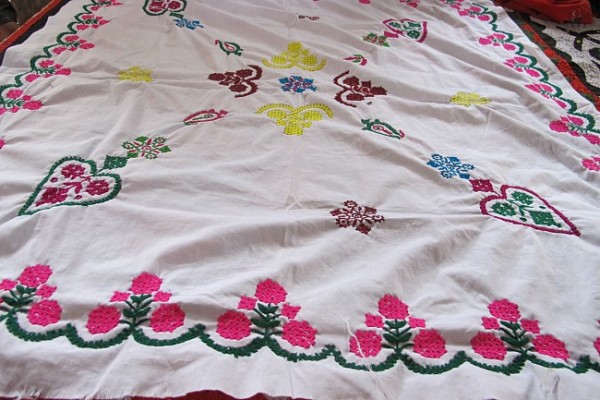
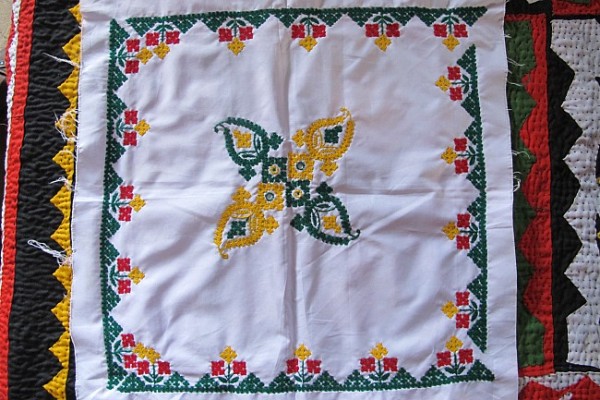
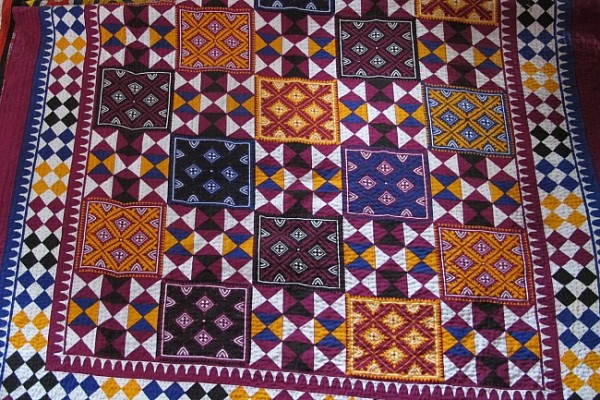
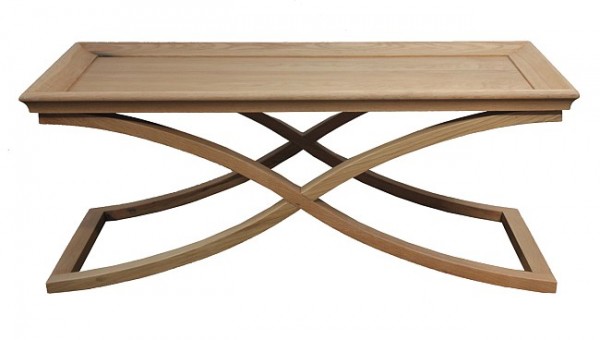
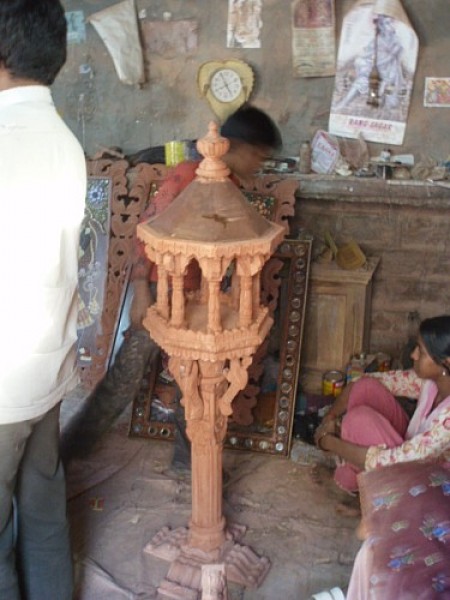
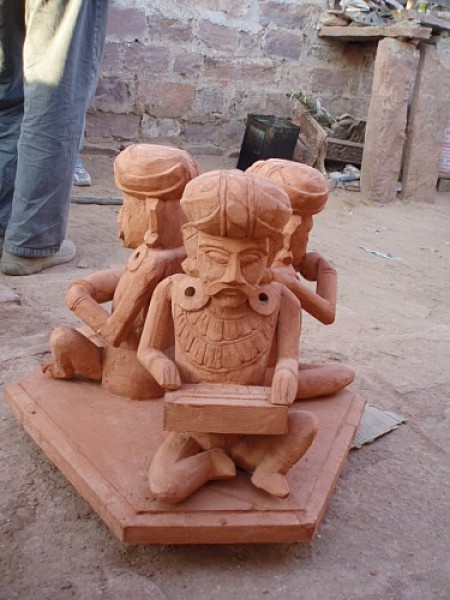
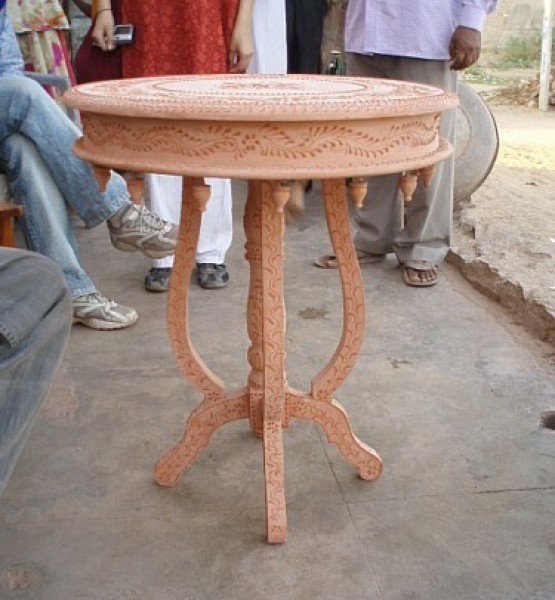
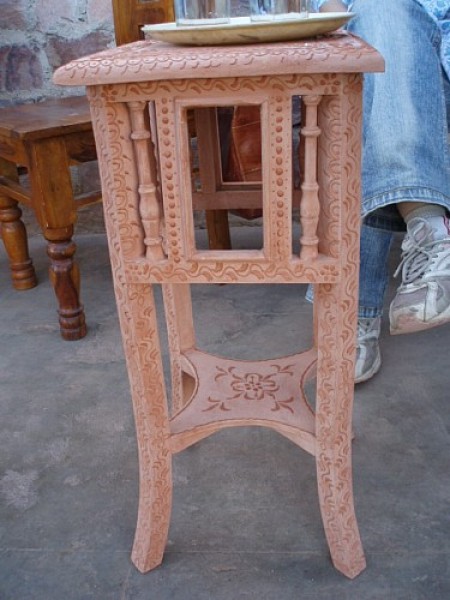
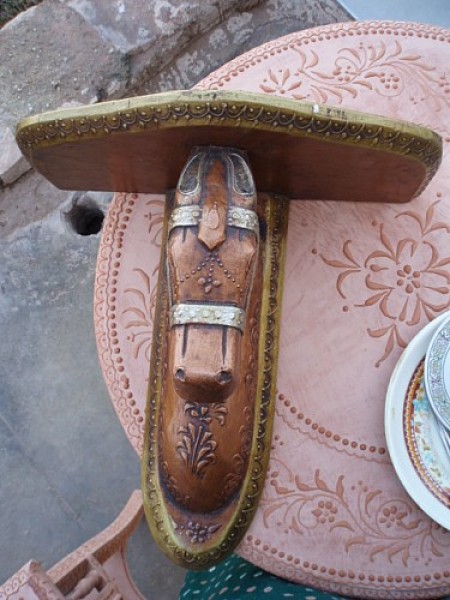
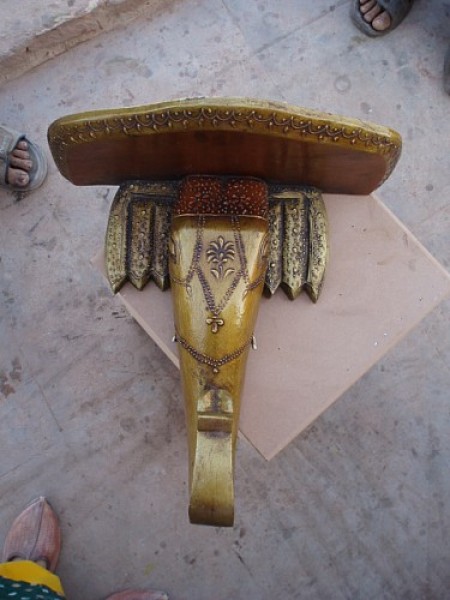
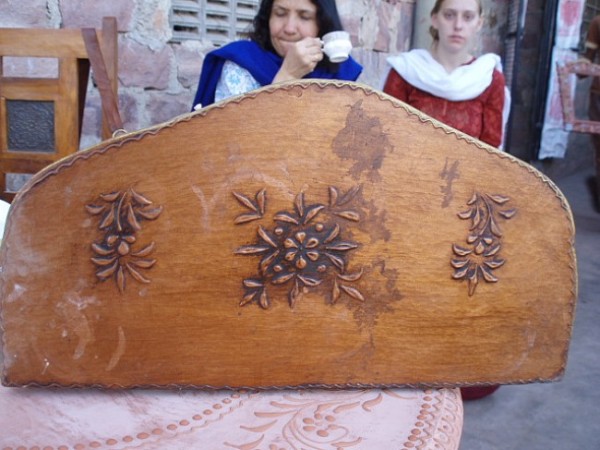
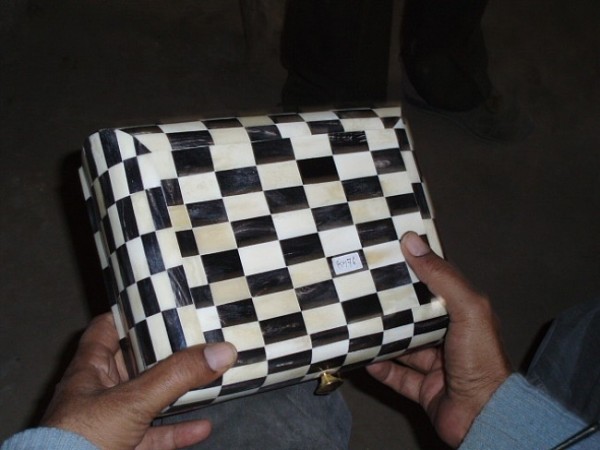
📍 Rescued from a brick kiln near Pali, Rajasthan — 2018
Kamla Devi was barely 22 when UJAS field workers found her at a brick kiln outside Pali. She, her husband, and their three children had been working for over four years under a debt bondage arrangement — unable to leave, underpaid, and living in a tin shed with no water or sanitation.
After liberation and legal rehabilitation, Kamla enrolled in the UJAS Crafts Center. She had never held a paintbrush, let alone a block print stamp — but her precision and eye for colour quickly became apparent. Within six months she had mastered Bandhani and block printing.
Today, Kamla earns ₹12,000–₹15,000 per month selling her block-print fabric and Bandhani dupattas. Her children attend school. She has purchased a sewing machine on micro-credit and employs her neighbour. In 2023, she was invited to demonstrate her craft at the Jodhpur RIFF festival — watched by an audience of 3,000.
UJAS works hard so that artisans never face the market alone. Our network connects handmade work to conscious buyers everywhere.
UJAS products are listed with Rajasthali — Rajasthan's government craft emporium chain — offering stable institutional buyers and recognised branding.
Products are listed on certified fair trade platforms that guarantee minimum price protection and transparent supply chains directly to buyers.
Artisans participate in Surajkund, Dastkar Delhi, Jodhpur RIFF, and local melas — building their brand and customer base in person, confidently.
Your donation funds training, materials, market linkages, and a monthly stipend for a woman rebuilding her life. ₹2,000 can change everything.