- Home
- About Us
- Our Work
- Livelihoods
- Knowledge Hub
- Gallery
- Internship Program
- Contact
Crisis Response & Civic Action
From emergency relief to grassroots democratic participation, our localized initiatives address urgent crises and build long-term community resilience.
Supported by Action Aid & Children's Hope India
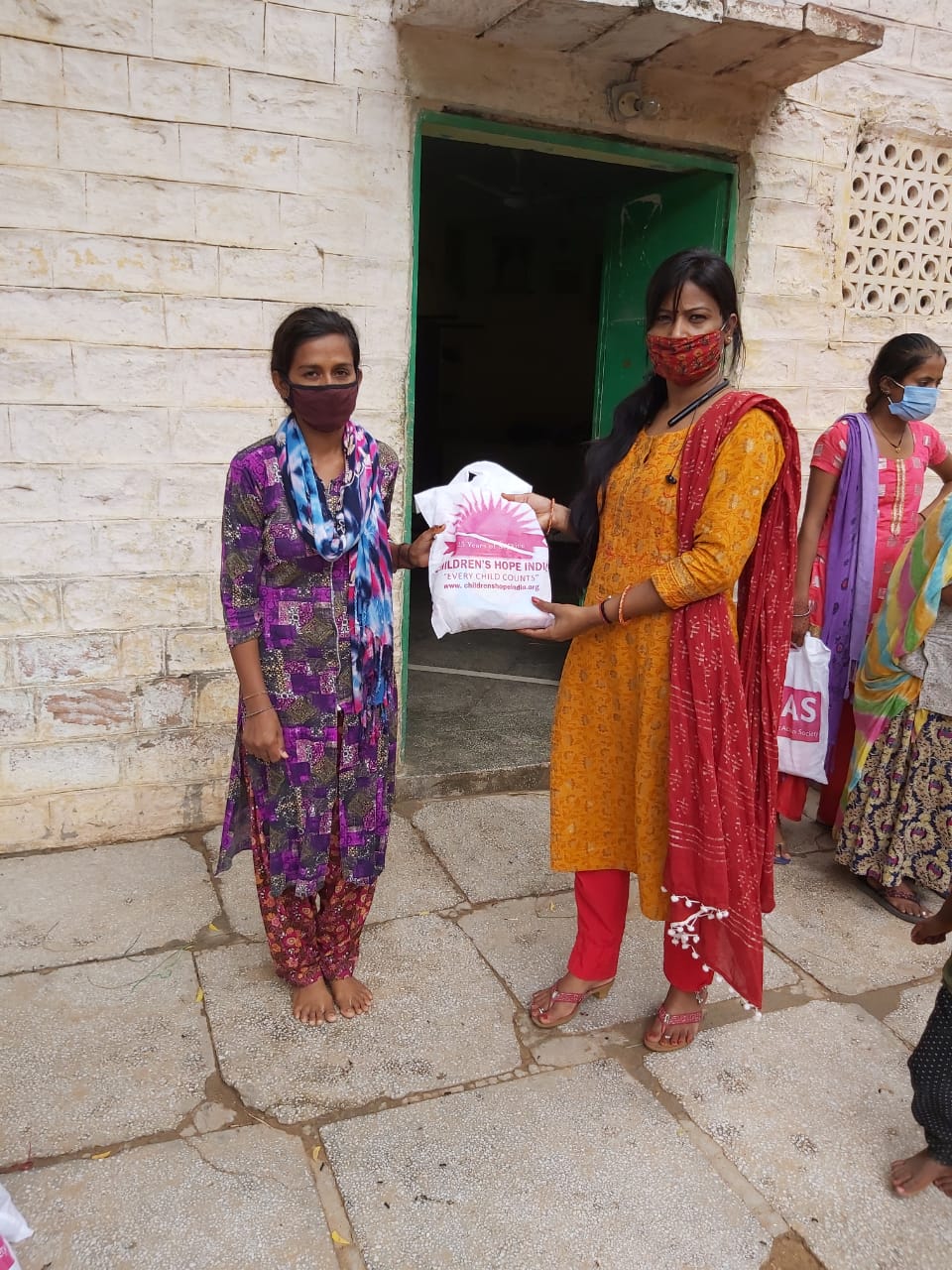
During the unprecedented COVID-19 lockdowns, migrant settlements and marginalized communities in rural Rajasthan faced acute food insecurity, loss of daily-wage livelihoods, and restricted access to healthcare. Undocumented refugees were often excluded from state relief measures, leaving them highly vulnerable.
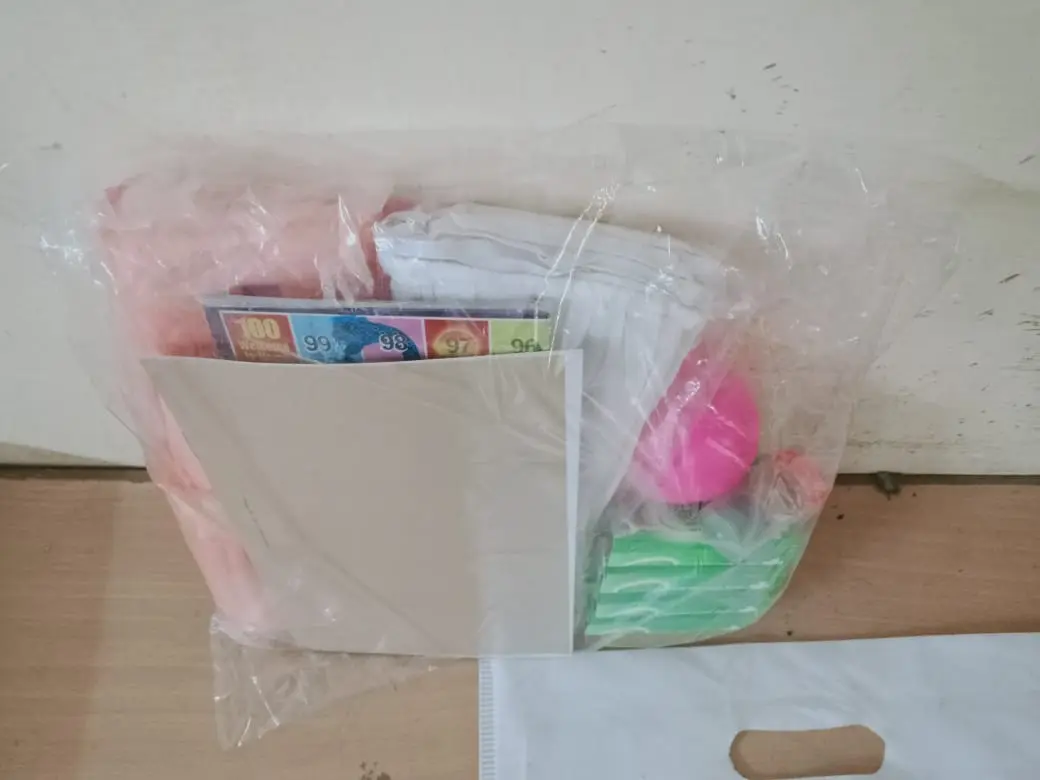
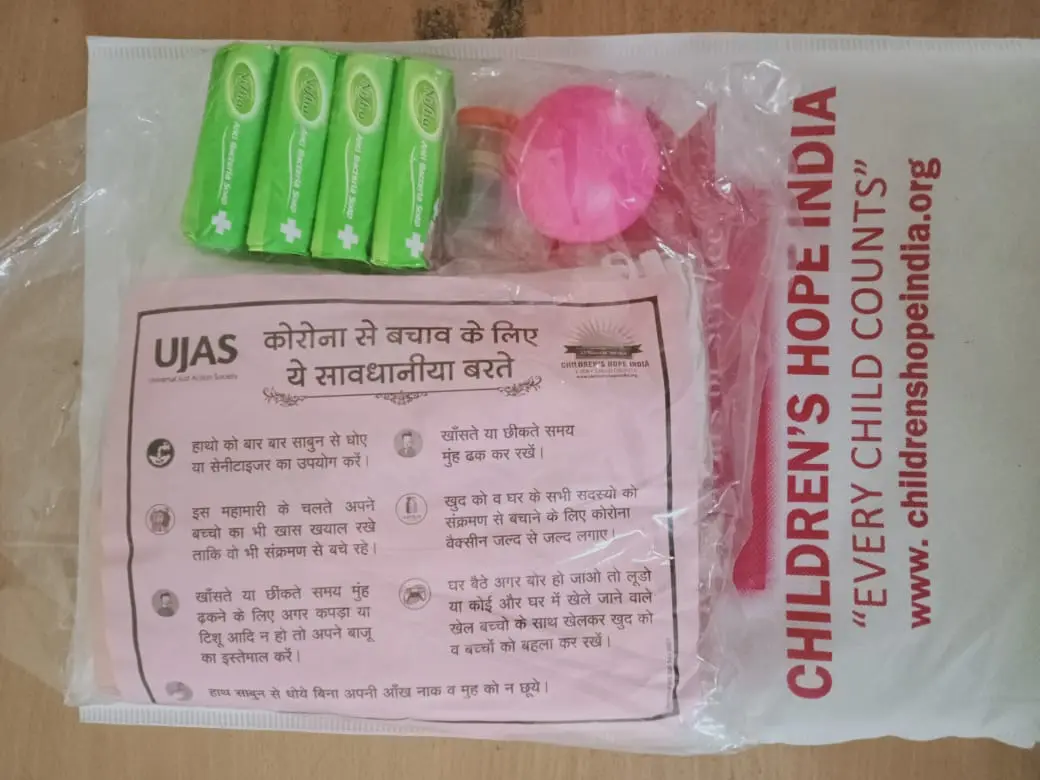
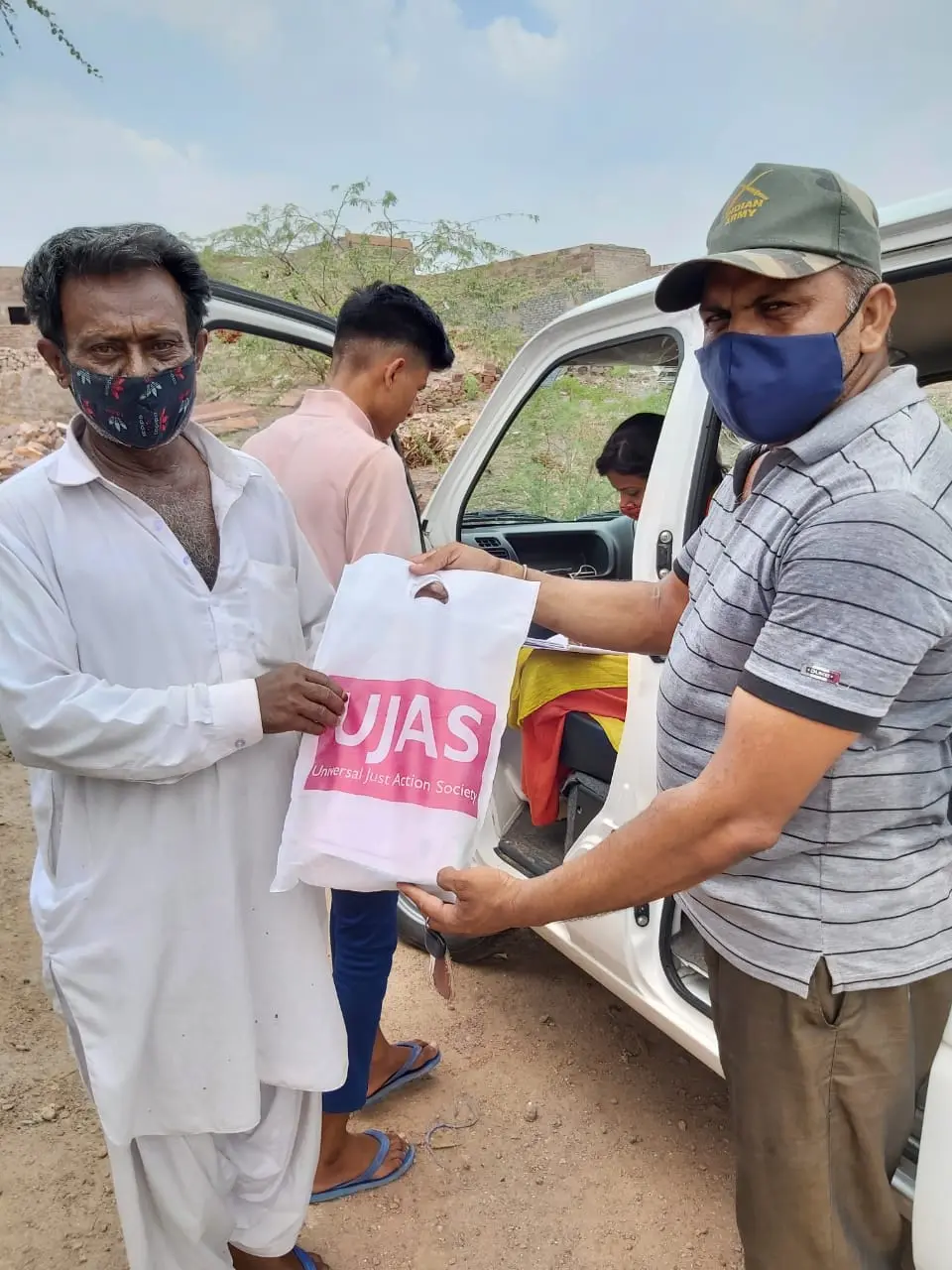
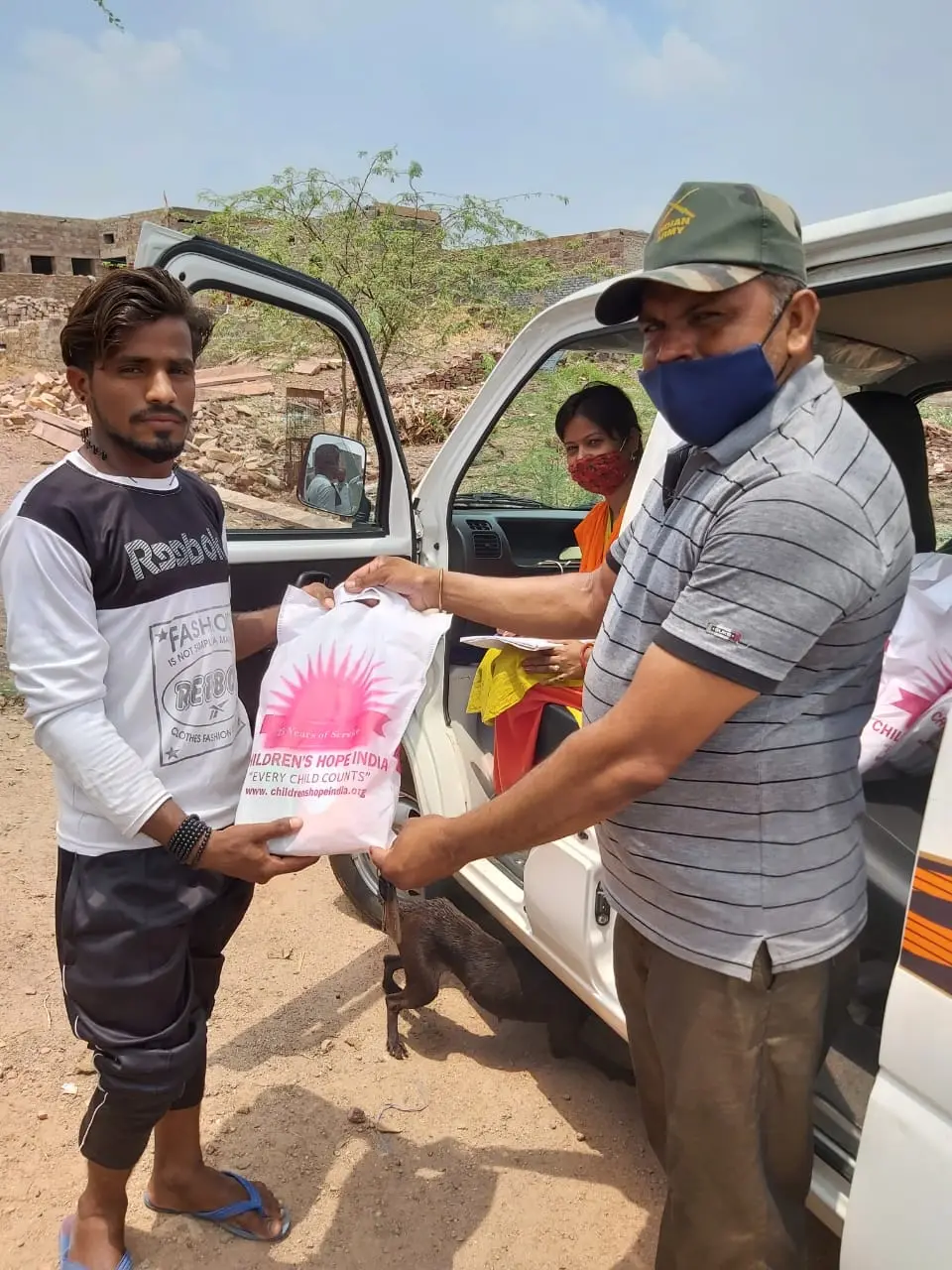
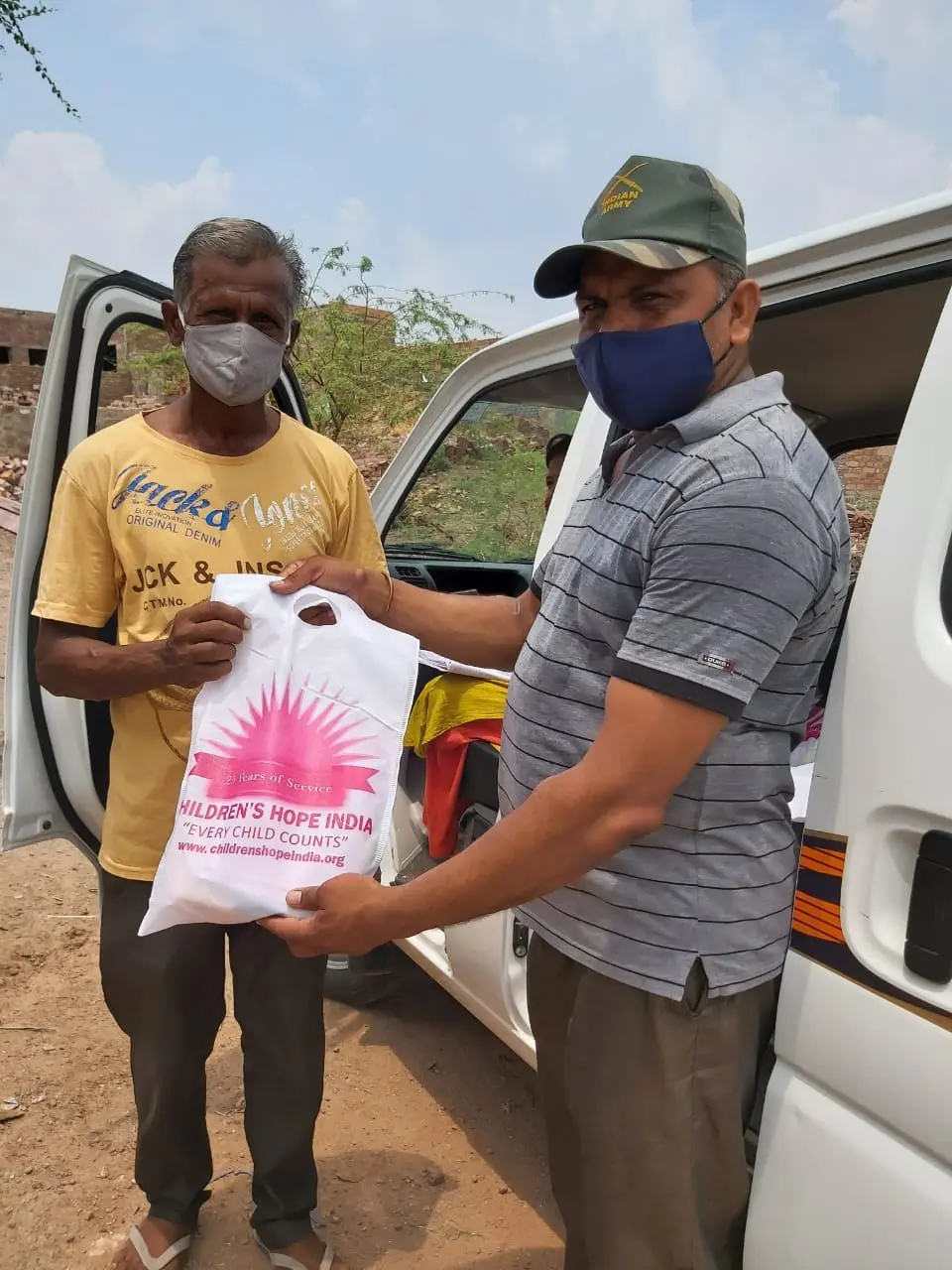
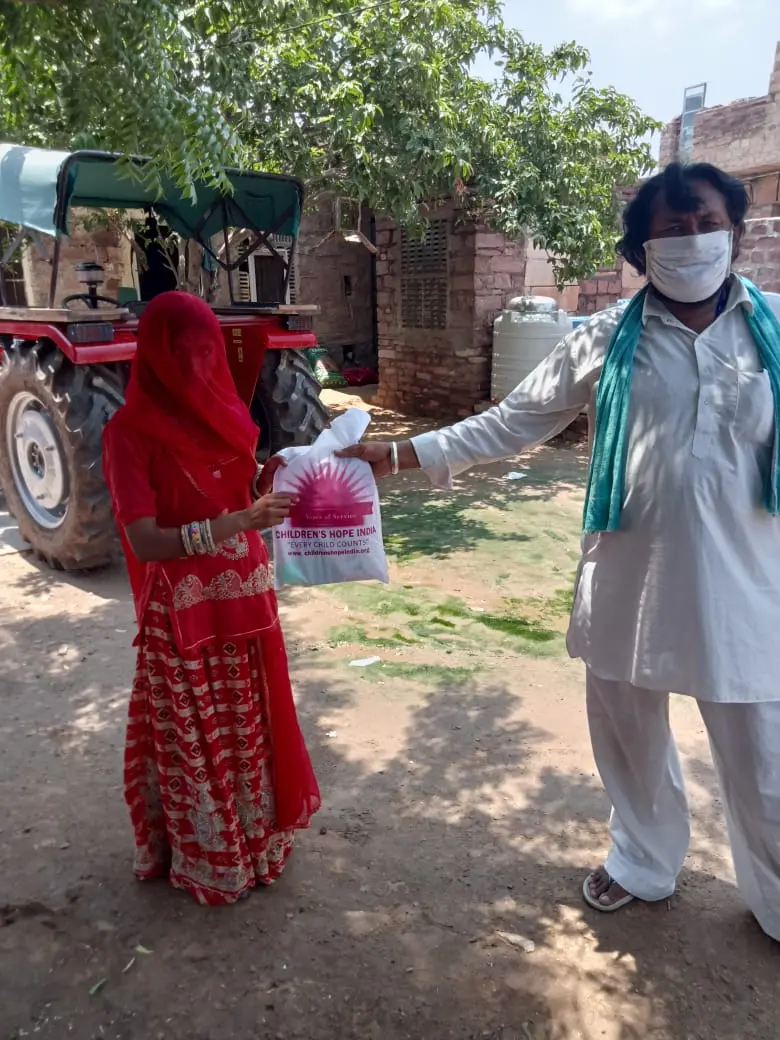
UJAS mobilized rapidly to distribute emergency dry ration kits, hygiene supplies, and masks. We organized localized distribution across multiple settlements to ensure the most vulnerable families received support.
Rajab (Name Changed) received a support kit, sanitizer, and masks distributed through the CHI initiative. With the loss of daily wages, this kit provided crucial sustenance for his family during the hardest months of the lockdown.
Rukma (35) is a widow struggling to feed her children. Receiving the COVID relief kit from UJAS brought immense relief to her household. The support ensured that her family's basic nutritional needs were met when no other help was available.
Supported by Individual Donors & Local Philanthropists
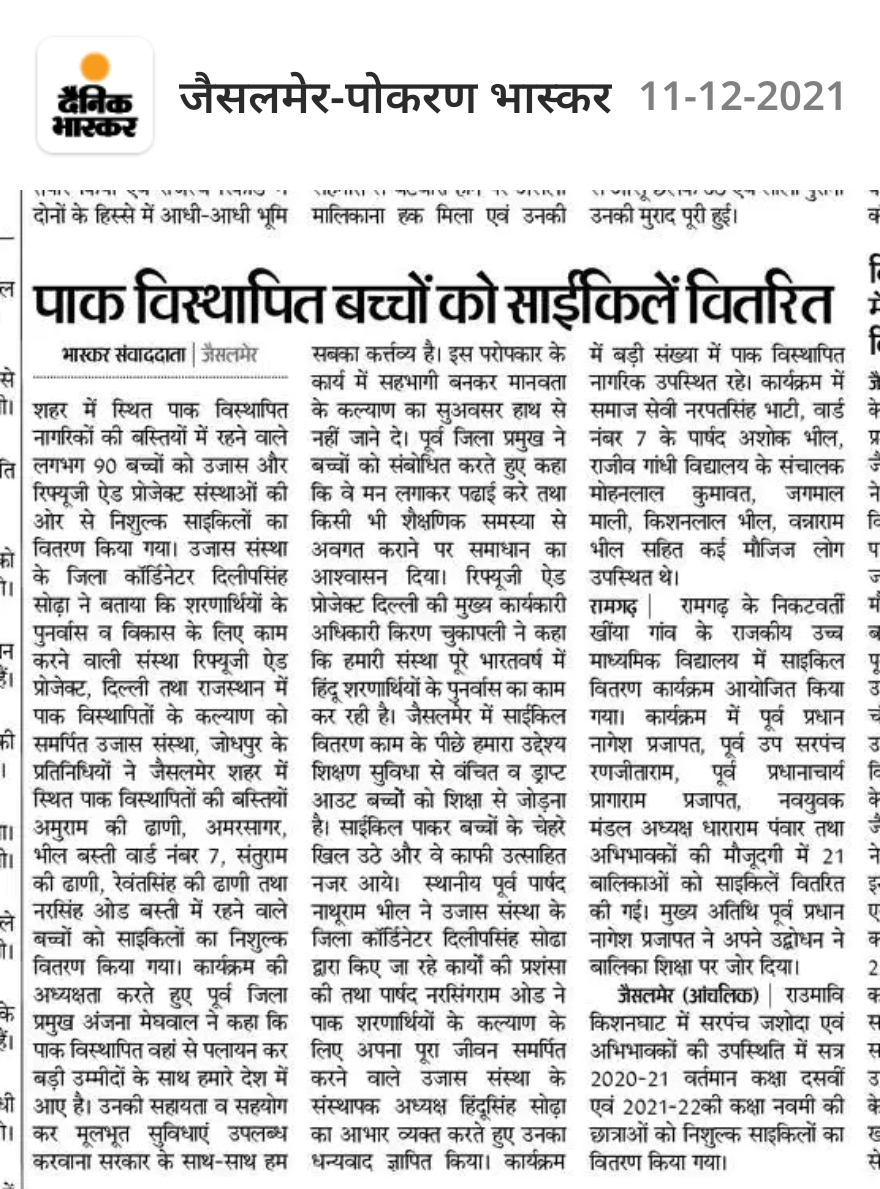
Extreme poverty in the desert settlements forces many families to make impossible choices between food, shelter, and medicine. Without a safety net, temporary hardships can easily become permanent crises.
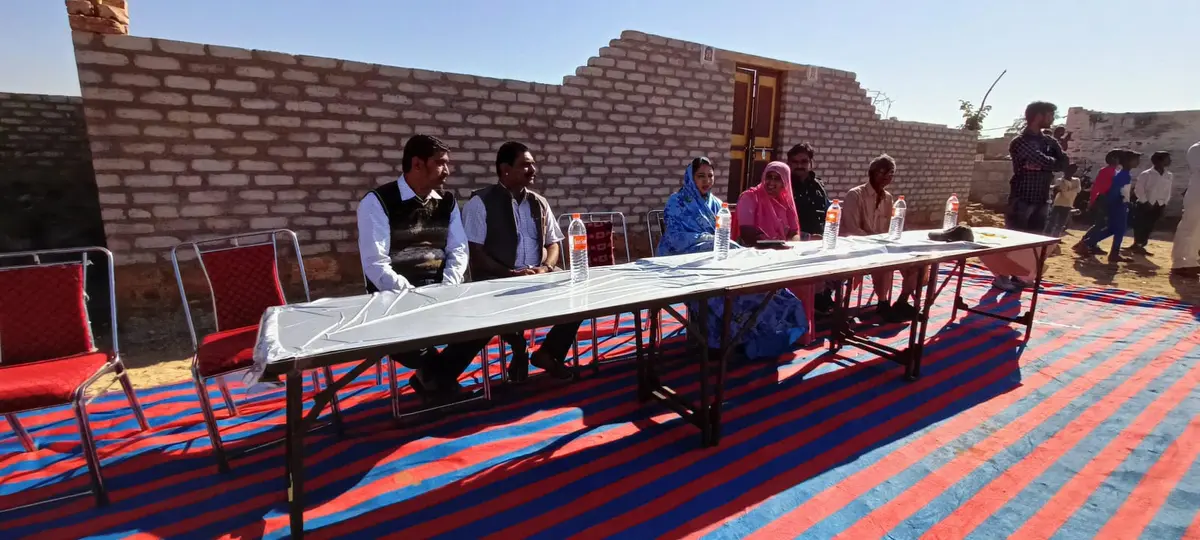
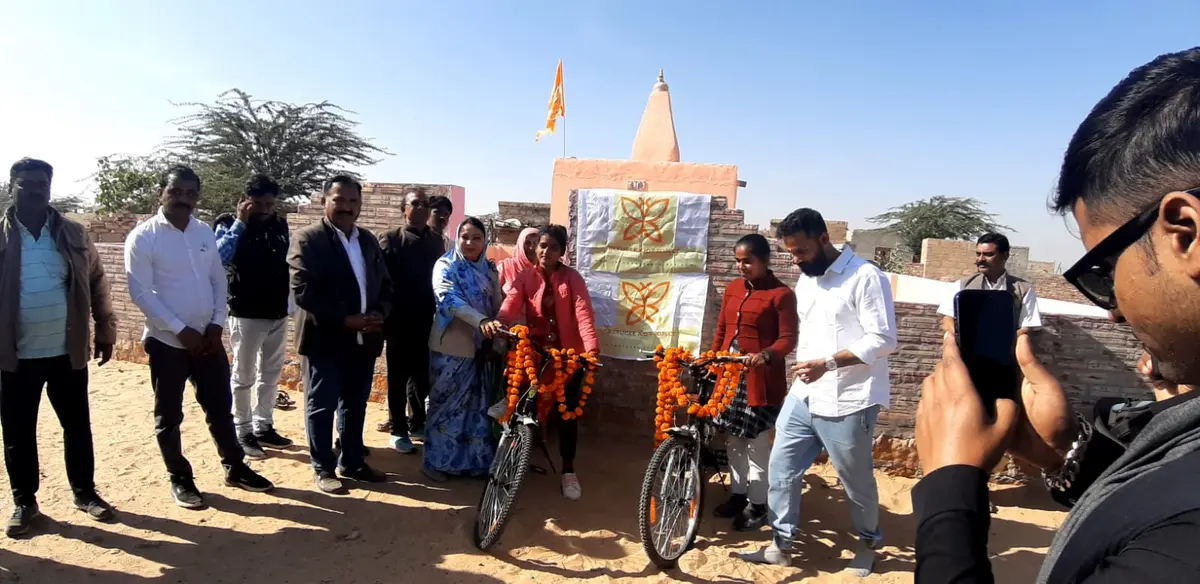
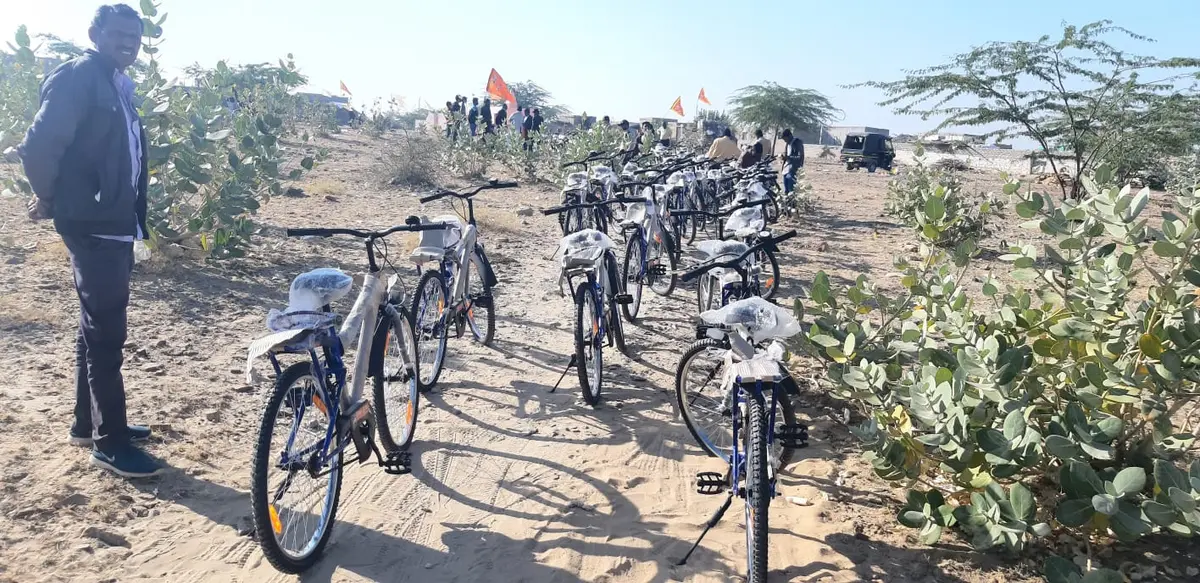
UJAS operates continuous charitable programs to provide a safety net for those in extreme distress. These interventions include winter clothing distribution drives, emergency medical funds for critical surgeries, and targeted nutritional support for pregnant women and malnourished children.
By addressing immediate survival needs, we create the stability required for families to eventually engage in our long-term empowerment and livelihood programs.
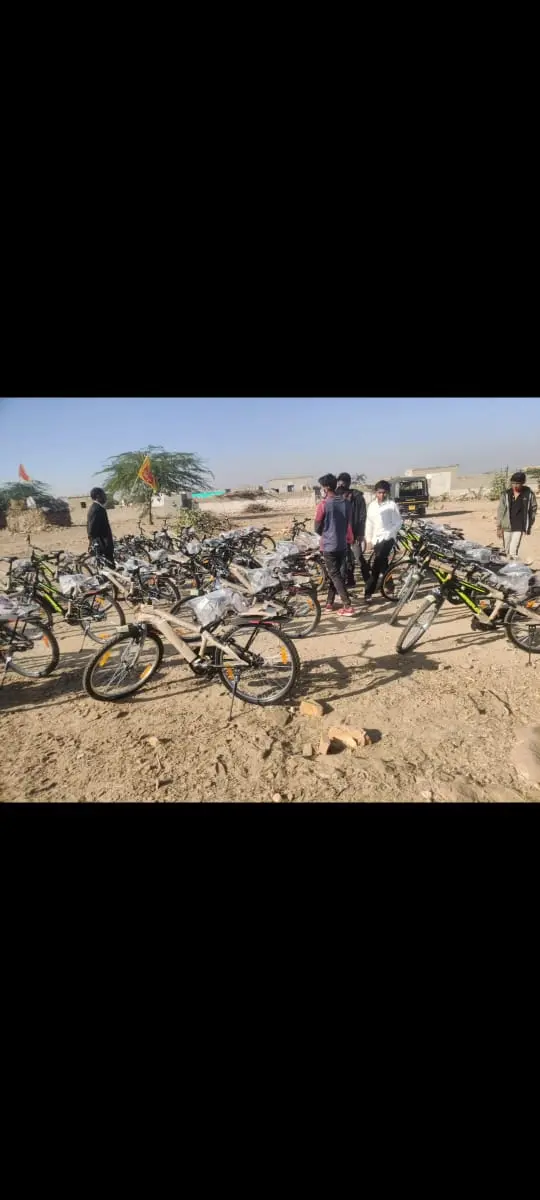
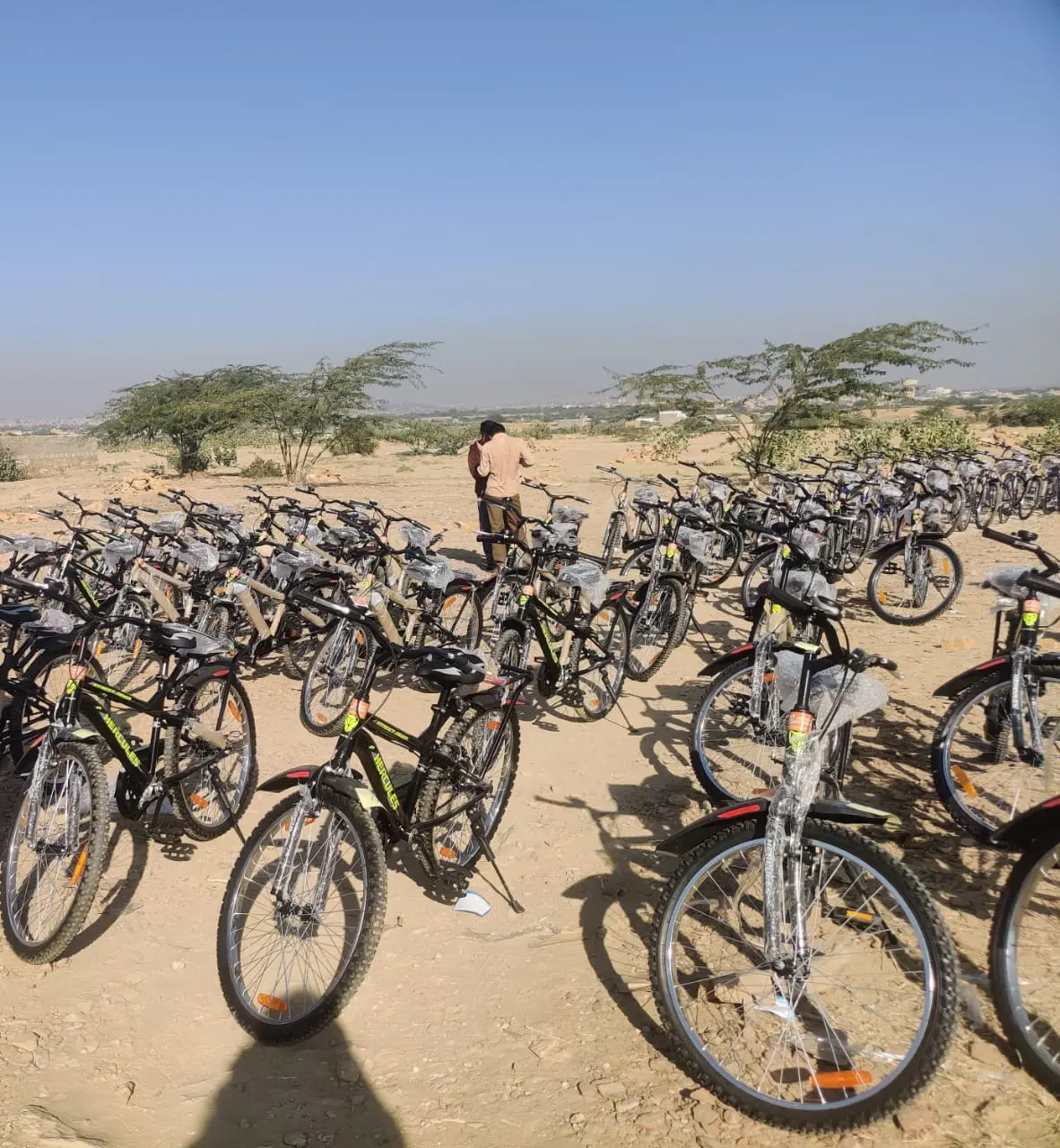
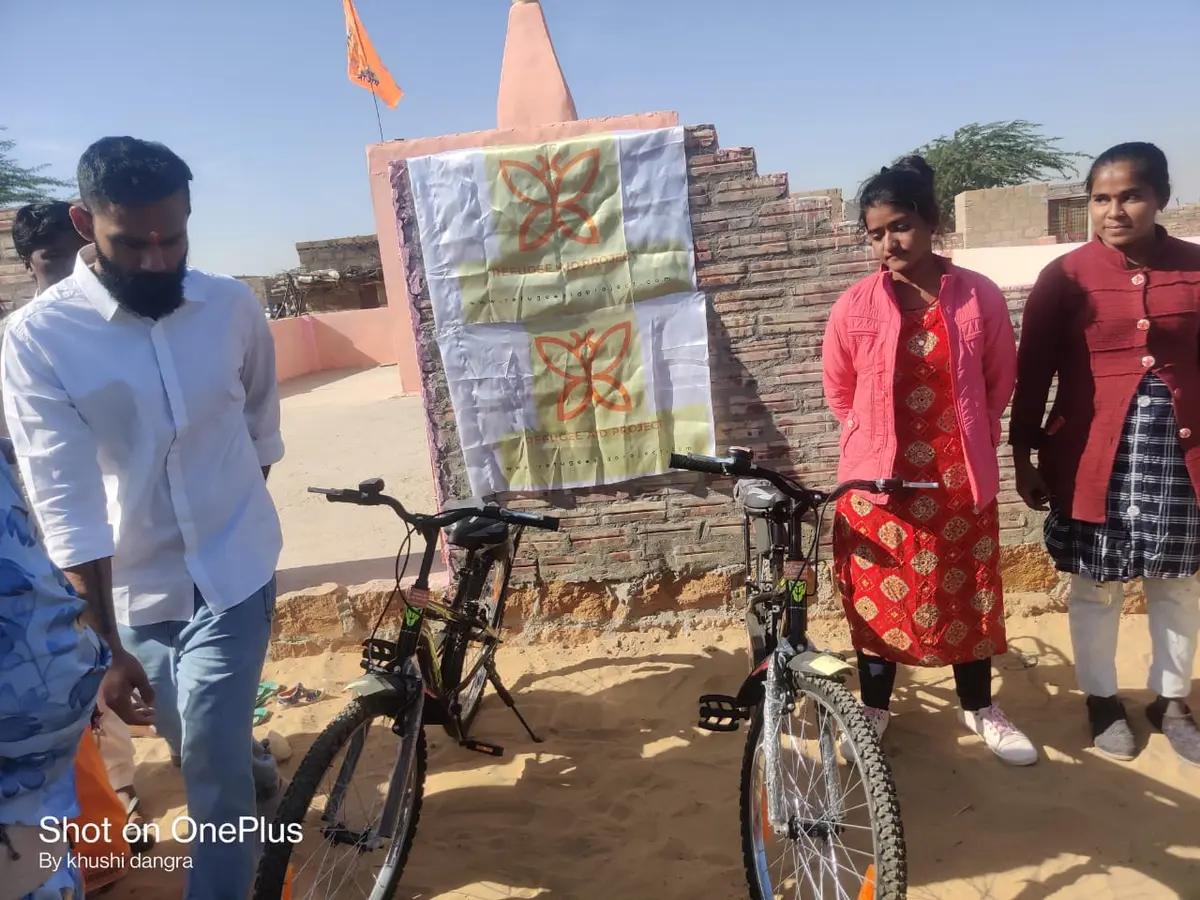
Supported by Utkarsha Jan Kalyan Sansthan
The delicate ecosystem of the Thar desert is inextricably linked to the survival of its inhabitants. Often, wildlife conservation policies are drafted without integrating the socio-economic realities of the local marginalized castes and tribes, leading to displacement and loss of traditional grazing rights.
In partnership with the Utkarsha Jan Kalyan Sansthan, UJAS bridges the gap between environmental protection and community welfare. We conducted a comprehensive environmental and demographic survey within the Desert National Park (DNP) region.
This survey mapped population data across different marginalized communities and detailed the positive and negative impacts of the DNP status allocation. By bringing this data to light, we advocate for inclusive conservation policies that balance ecological protection with the livelihood rights of tribal and pastoralist communities.
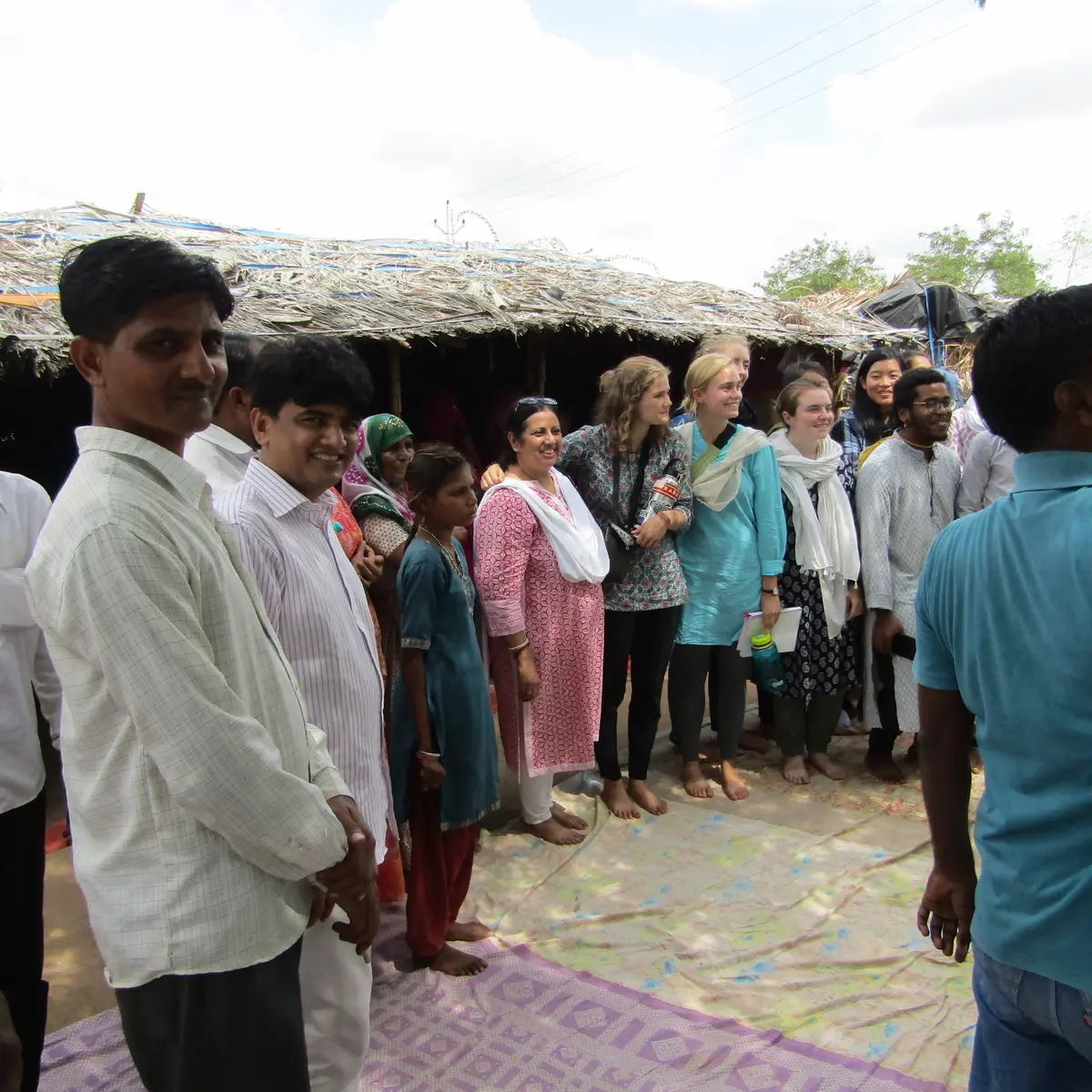
Migrant and refugee communities often lack awareness of their constitutional rights, legal pathways to citizenship, and available government welfare schemes, leaving them marginalized and voiceless.
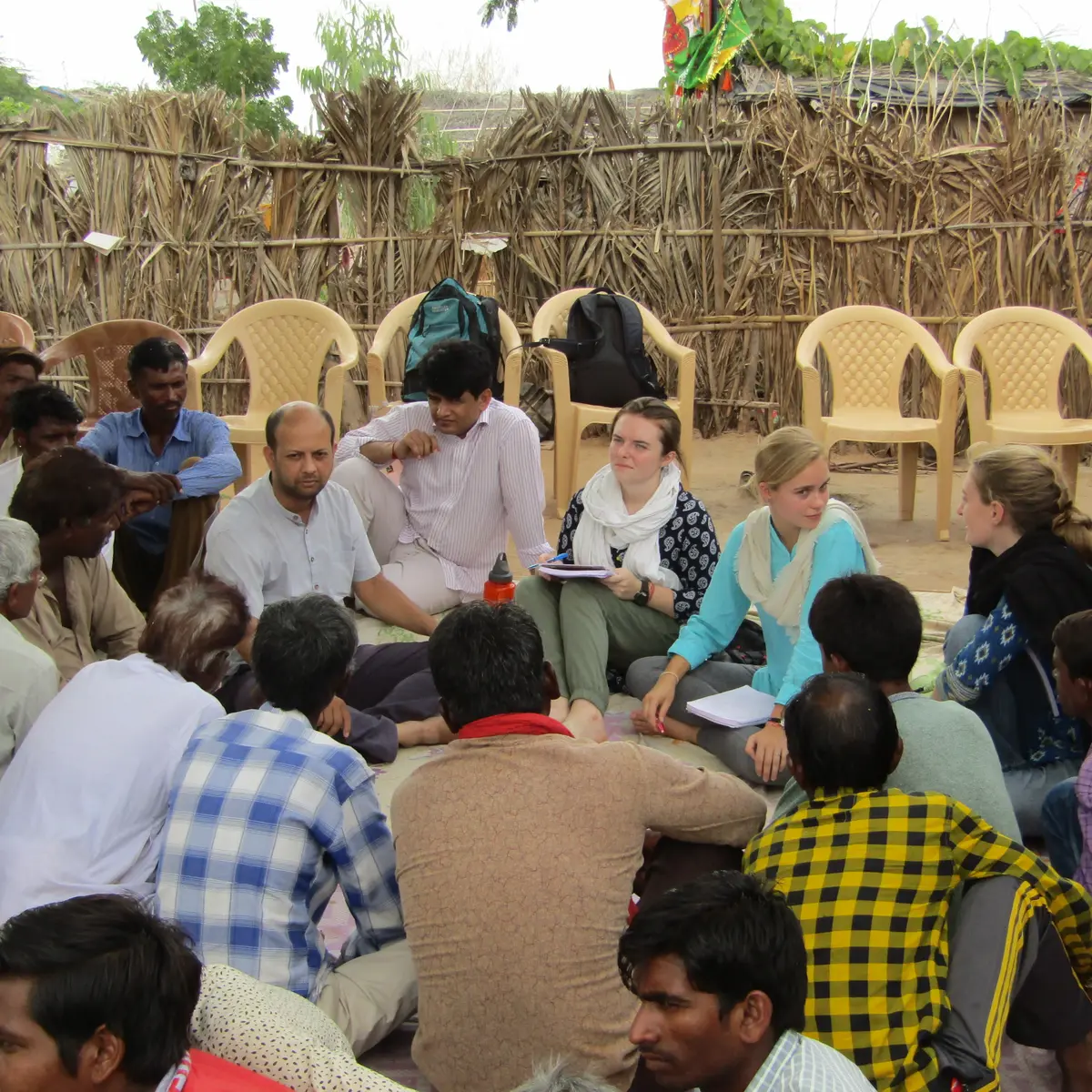
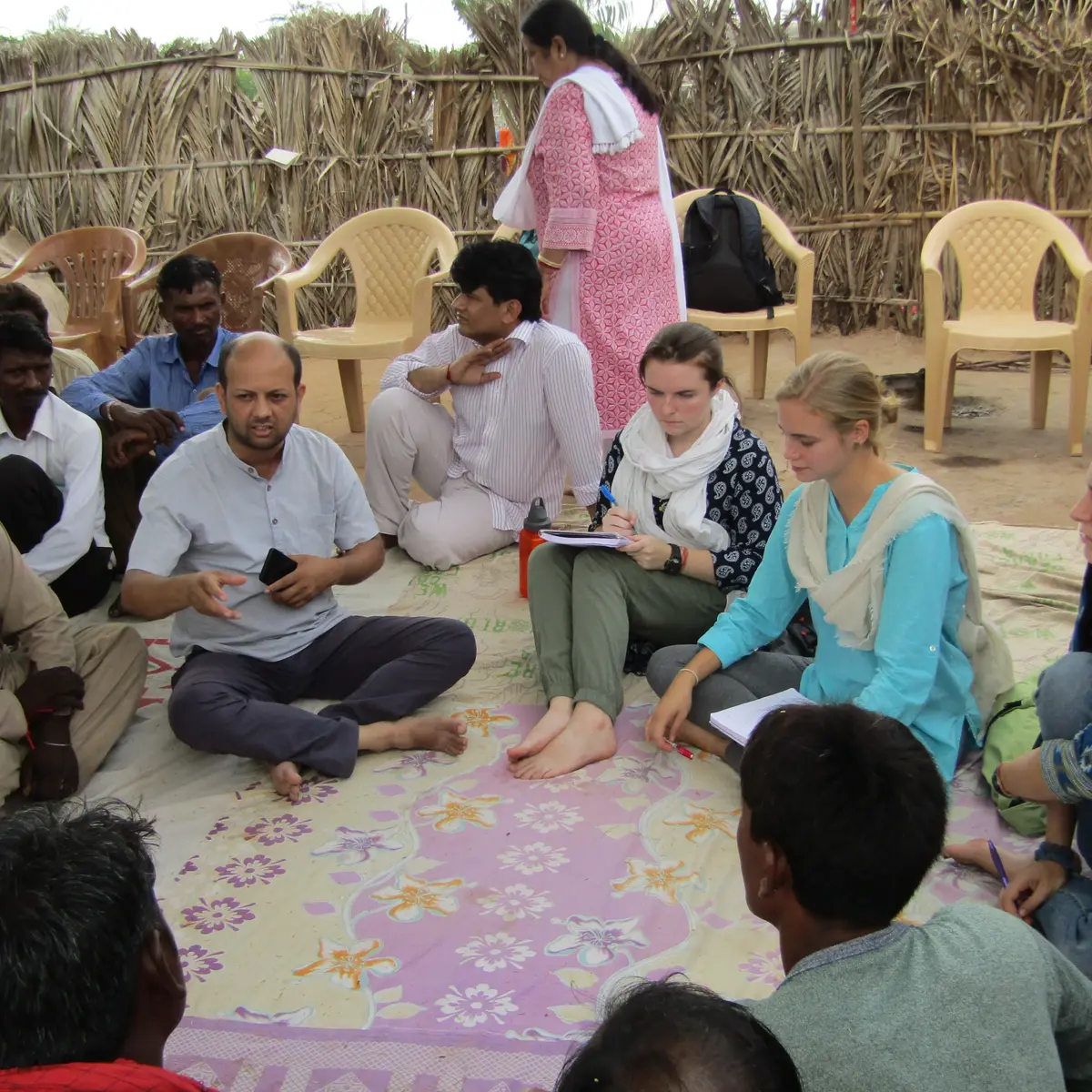
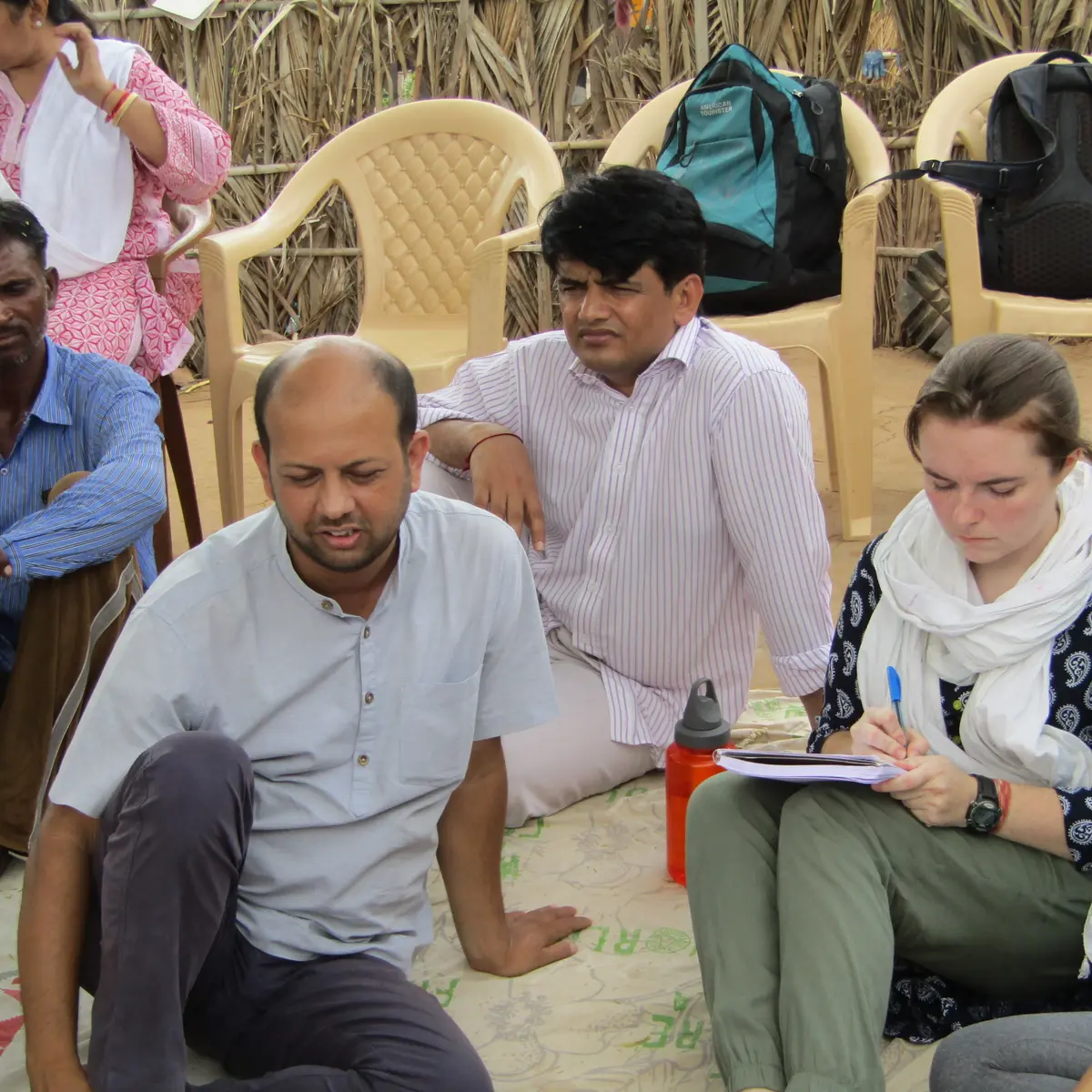
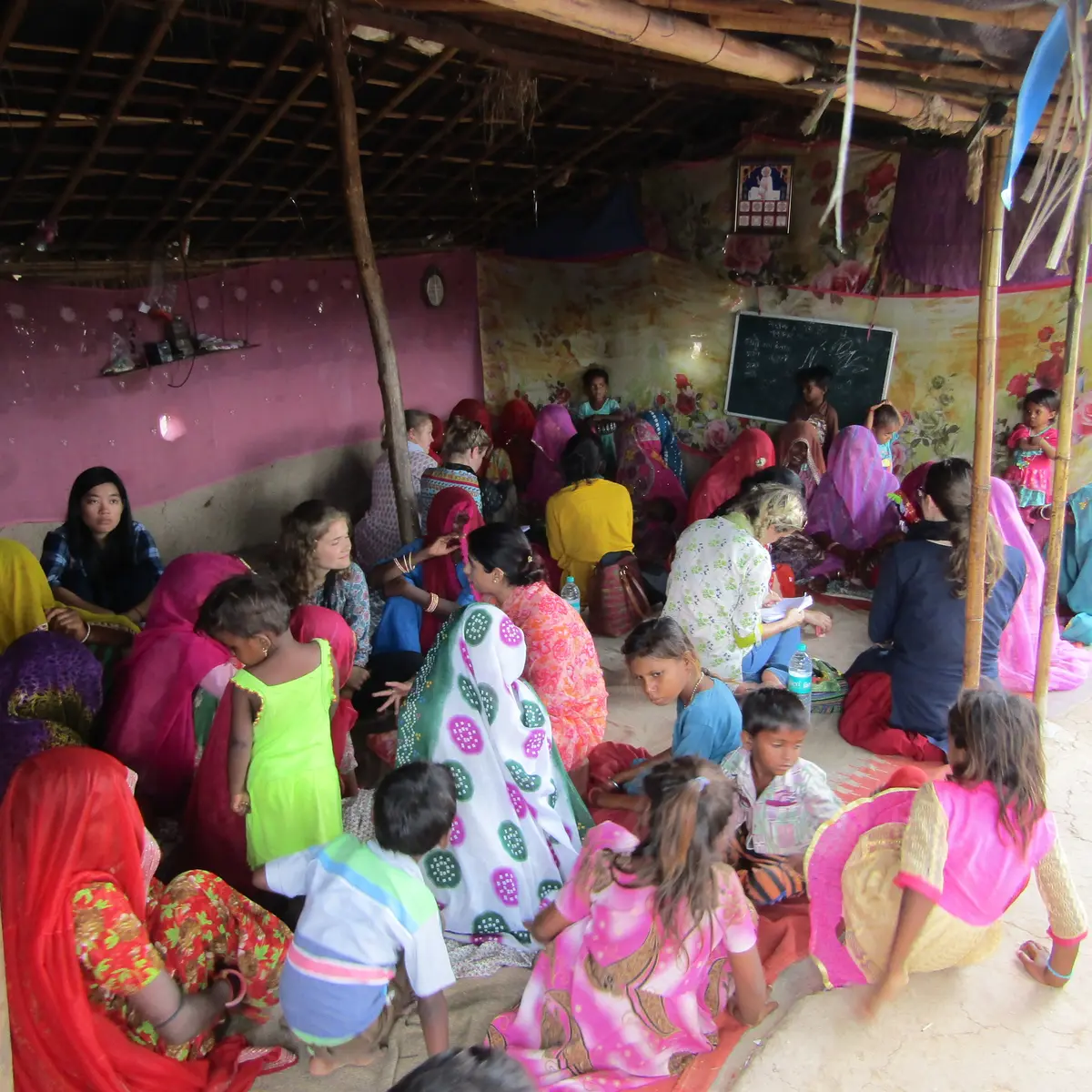
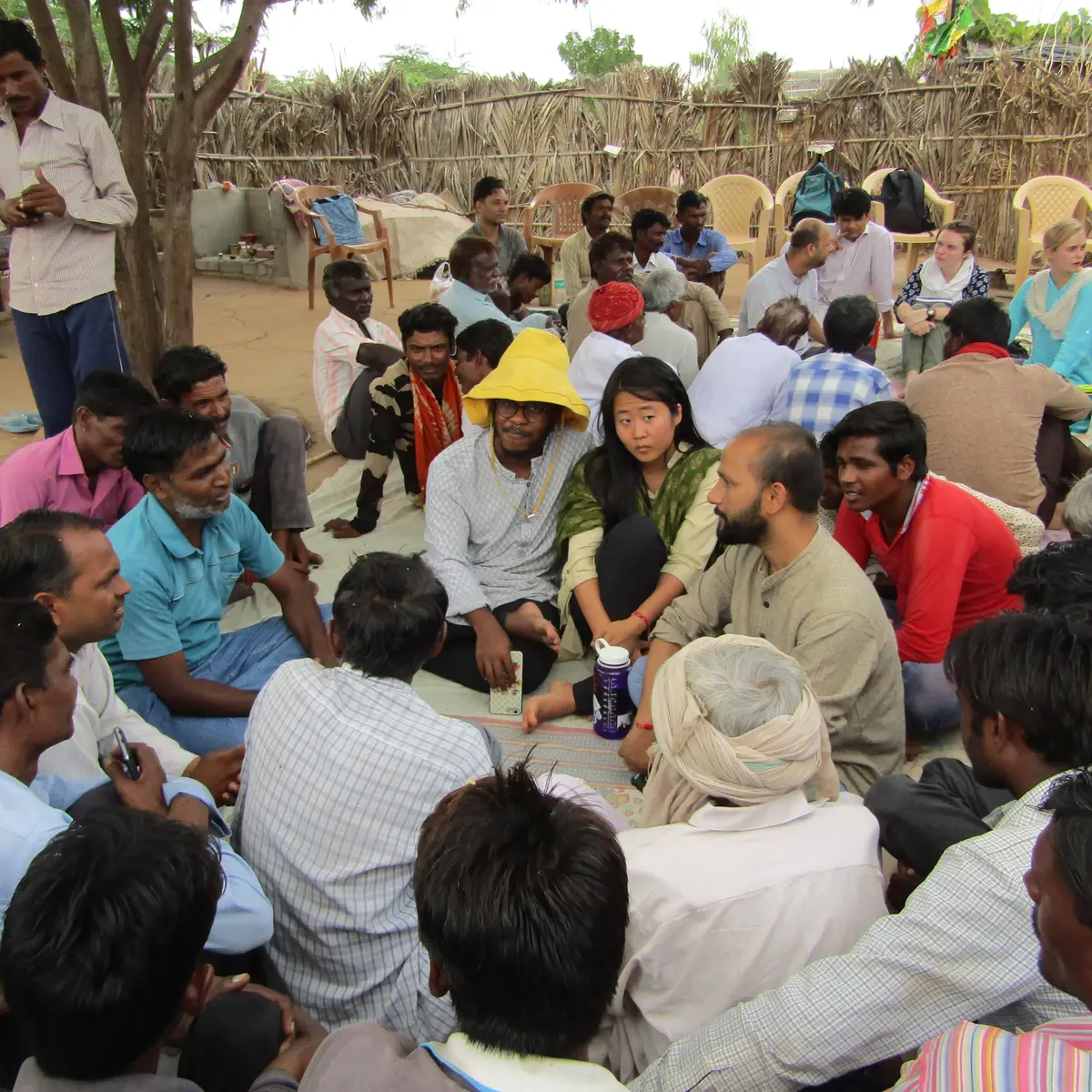
True empowerment happens when individuals recognize their collective power. UJAS regularly organizes community engagement programs, seminars, and Jan Sunwaais (public hearings) to foster democratic participation.
Through these gatherings, we educate refugees about their rights. We also host stakeholder seminars bringing together district officials, legal experts, and community leaders to collaboratively solve systemic issues affecting migrant settlements.