- Home
- About Us
- Our Work
- Livelihoods
- Knowledge Hub
- Gallery
- Internship Program
- Contact
Join the Movement
Step out of the classroom and into the field. Work directly with refugee communities, women's collectives, and climate-vulnerable families in Rajasthan — and become the kind of professional justice demands.
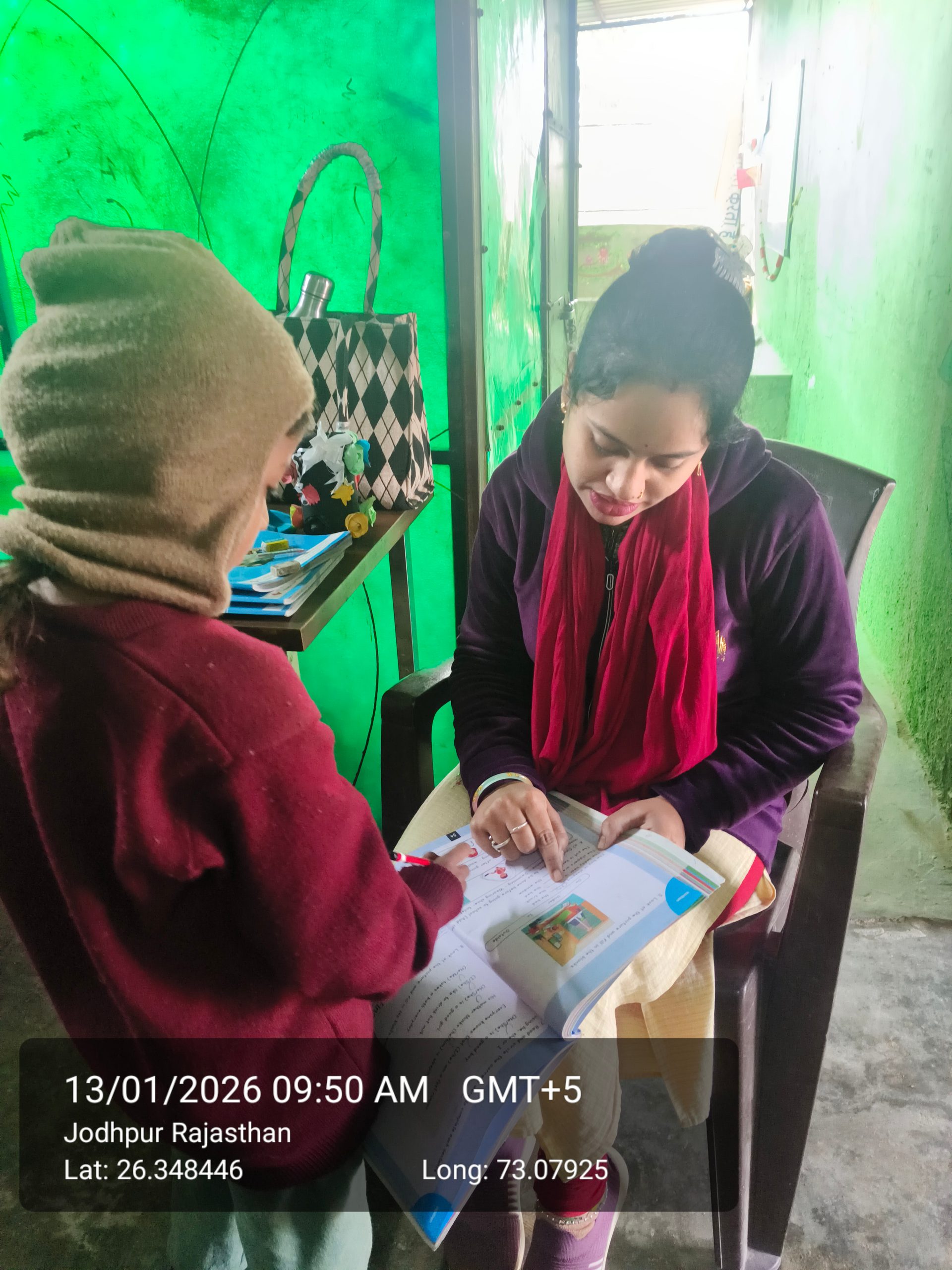
The SLS UJAS Internship Program offers students and young professionals a rare opportunity to work at the grassroots of human rights practice in one of India's most dynamic civil society contexts. Over 2–3 months, interns are embedded with our field teams in Rajasthan, working directly alongside community organisers, legal professionals, and programme staff.
This is not a desk internship. You will attend village meetings, accompany rescue operations (appropriately), sit in on legal proceedings, travel to remote communities, and participate in the full rhythm of frontline rights work. You will be treated as a colleague, given real responsibilities, and expected to contribute meaningfully.
UJAS can provide accommodation support and a modest daily travel stipend for selected candidates. We strongly encourage applications from first-generation graduates and students from marginalised communities, for whom financial support is prioritised.
"We do not train interns to observe justice work. We invite them to do it — with care, with community, and with conviction."
— UJAS Programs Team
Internship activities are designed around your area of interest, your skills, and the needs of active campaigns during your placement period.
Work directly alongside UJAS community mobilisers, accompanying them on village visits, attending community meetings, and building relationships with marginalized communities in Jodhpur, Barmer, and Nagaur districts.
Assist with field research, case documentation, and data collection. Contribute to UJAS publications, impact assessments, and situation reports. Experience qualitative and participatory research methodologies.
Participate in planning and execution of rights-based campaigns — women's marches, labour rights drives, and climate justice mobilisations. Learn how grassroots advocacy is built from the ground up.
Support the creation of photo essays, story documentation, social media content, and newsletter materials. Contribute to raising public awareness about issues affecting marginalised communities.
Shadow UJAS legal team members in refugee rights cases, land rights disputes, and child welfare proceedings. Law students may assist with legal drafting, case research, and court documentation under supervision.
Assist with formation and strengthening of women's self-help groups, survivor networks, and youth collectives. Learn the principles and practice of trauma-informed community organising.
We welcome applicants with diverse educational backgrounds united by genuine commitment to human rights and social justice.
Students enrolled in social work, law, development studies, journalism, public policy, environmental studies, gender studies, or related disciplines. Final year and postgraduate students preferred.
Graduates within 3 years of completing their degree who are seeking field experience before pursuing a career in civil society, law, academia, or international development.
Lawyers, journalists, researchers, communications professionals, or development practitioners seeking a substantive field immersion to deepen their understanding of rights-based work.
Foreign nationals are welcome with appropriate FCRA clearance and valid visa. UJAS can provide institutional support letters for visa applications. Hindi language ability is a significant advantage.
Hear from those who have come before you.
"My internship with UJAS was the most formative experience of my education. The field team treats you as a colleague, not a visitor. I came to learn; I stayed to contribute."
"Working on real Section 16 petitions and accompanying survivors to district hearings transformed my understanding of constitutional law from textbook to lived reality."
"UJAS welcomed me warmly despite my limited Hindi. I documented the Barmer women's march and it became the centrepiece of my dissertation. This organisation changes people."
Applications are reviewed on a rolling basis. Apply at least 8 weeks before your preferred start date.
Email our Programs Coordinator at internships@slsujas.org or call +91 94142 43331 during office hours (Mon–Sat, 10am–5pm IST).